Common Pests on the Sunshine Coast: Identification, Prevention & Professional Solutions
After 15 years treating properties from Caloundra to Noosa, I can tell you the Sunshine Coast has a pest problem. Not because we’re dirty or poorly maintained—it’s our climate. When you combine year-round warmth (16-30°C), high humidity (60-80%), proximity to bushland and waterways, and subtropical conditions that never give pests a winter die-off, you create a perfect breeding ground for some of Australia’s most persistent pest species.
This guide breaks down the 10 most common pests I treat on the Sunshine Coast—not just what they are, but their behavior patterns, where they hide, signs of infestation, actual prevention strategies that work, and when you need professional help vs. DIY solutions.
Table of Contents
- Pest Threat Level Rankings
- 1. Termites – The $15,000 Problem
- 2. German Cockroaches – Kitchen Nightmares
- 3. Rodents (Rats & Mice) – The Wire Chewers
- 4. Coastal Brown Ants – The Endless Army
- 5. Spiders – Redbacks to Huntsmans
- 6. Mosquitoes – Disease Carriers
- 7. Australian & American Cockroaches
- 8. Silverfish – The Book Destroyers
- 9. Carpet Beetles – The Hidden Damage
- 10. European Wasps – Aggressive Invaders
- Universal Prevention Strategies
- When to DIY vs. Call Professionals
- Frequently Asked Questions
- Get Professional Help
Pest Threat Level Rankings for Sunshine Coast Homes
Not all pests are equal threats. Here’s how I rank them based on damage potential, health risks, and elimination difficulty:
CRITICAL THREATS (Immediate professional action required):
- Termites – Structural damage, $10,000-$15,000 average repair cost
- Rodents – Fire risk (chewed wiring), disease transmission, rapid breeding
HIGH THREATS (Professional treatment recommended):
- German Cockroaches – Health hazard, pesticide-resistant, rapid reproduction
- Bed Bugs – Difficult elimination, psychological impact, spreads easily
MODERATE THREATS (Professional or advanced DIY):
- Coastal Brown Ants – Nuisance pest, difficult to eliminate permanently
- Dangerous Spiders (Redbacks, Funnel-webs) – Health risk, nest removal required
- European Wasps – Sting risk, aggressive behavior
LOW THREATS (Often manageable with DIY):
- Australian/American Cockroaches – Nuisance, easier to control than German species
- Silverfish – Property damage (paper, fabric), not health risk
- Carpet Beetles – Fabric damage, slow-developing problem
- Mosquitoes – Nuisance, disease risk (manageable with prevention)
1. Termites – The Silent $15,000 Problem
Threat Level: CRITICAL
Average Damage Cost: $10,000-$15,000
DIY Effectiveness: 0% (illegal without license)
Why Termites Are Sunshine Coast’s #1 Pest Threat
In 15 years, I’ve seen termite damage bankrupt renovations, delay property sales, and force families out of their homes. The Sunshine Coast’s subtropical climate creates year-round termite activity—unlike southern states where cold winters slow them down, our termites never stop eating.
Species Common on Sunshine Coast:
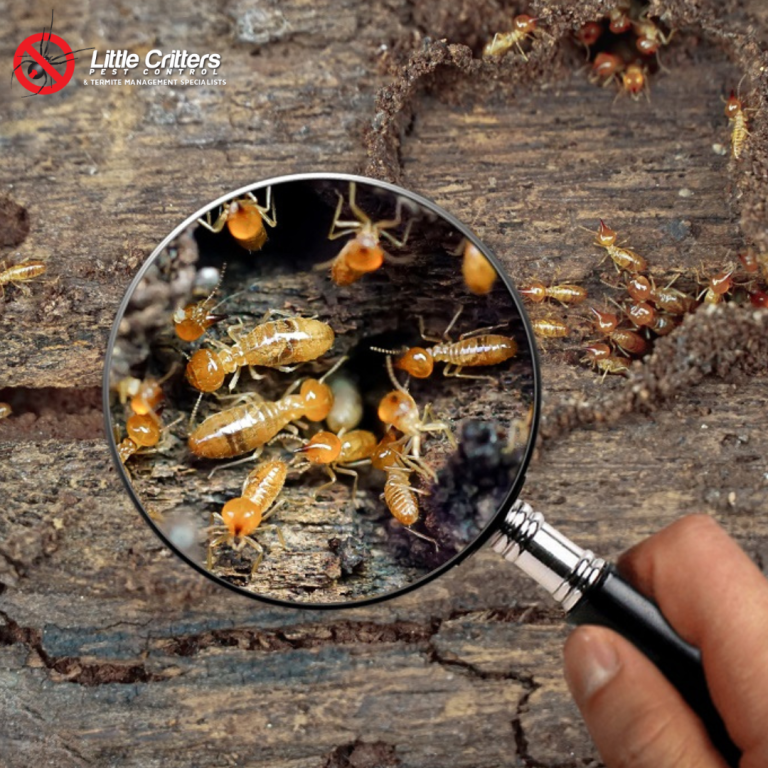
- Coptotermes (70% of our termite jobs): Most destructive species. Large colonies (1+ million termites). Found throughout Sunshine Coast. Attacks structural timber aggressively.
- Schedorhinotermes: Common in hinterland (Maleny, Montville, Eumundi). Medium-sized colonies. Also attacks structural timber.
- Nasutitermes: Build arboreal nests in trees. Less destructive to houses but will attack weathered timber, fences, garden structures.
Where They Hide
Termites work underground and inside timber, making them invisible until damage is severe:
- Subfloor areas (particularly stumps, bearers, joists)
- Wall cavities (accessing through cracks in slabs or brickwork)
- Roof voids (ceiling joists, roof trusses)
- Door/window frames (especially if timber is in contact with soil)
- Fence posts, garden beds, retaining walls (entry points to house)
Signs of Termite Activity
Early Warning Signs:
- Mud tubes on foundation, walls, or slab edges (pencil-width tunnels)
- Hollow-sounding timber when tapped
- Blistering or bubbling paint (termites create moisture)
- Stuck windows/doors (timber swelling from termite damage)
- Flying termites (alates) swarming after rain, particularly September-February
- Discarded wings near windows/doors (post-swarm)
Advanced Damage Signs:
- Sagging ceilings or floors
- Visible galleries (maze-like patterns) in timber
- Crumbling skirting boards
- Buckling floorboards
High-Risk Areas on Sunshine Coast
- Hinterland (Maleny, Montville, Mapleton): Bushland proximity, eucalyptus trees (termite food source), high moisture
- Buderim, Eumundi, Nambour: Established suburbs with mature trees and older homes
- Anywhere with eucalyptus trees in yard: Natural termite attractants
- Older Queenslanders: Timber construction, subfloor areas
- Properties with poor drainage: Termites need moisture
Prevention Strategies That Actually Work
1. Annual Termite Inspections (Required by Most Insurance):
- Cost: $250-$350
- Frequency: Every 12 months minimum (high-risk properties: 6 months)
- What’s included: Visual inspection of all accessible areas, moisture readings, sounding timber, monitoring station checks
2. Chemical Soil Barrier:
- Cost: $2,500-$4,500 (lasts 5-8 years)
- Creates treated zone around house perimeter that kills termites on contact
- Best for: Slab homes, established properties
3. Termite Monitoring System:
- Cost: $2,000-$3,000 installation + $300-$500/year monitoring
- Stations installed around property, checked monthly/quarterly
- When activity detected, bait is deployed to eliminate colony
- Best for: Properties where chemical barriers difficult (landscaping, water features)
4. Remove Conducive Conditions:
- No timber in contact with soil (garden edging, lattice, fence posts touching ground)
- Remove tree stumps from yard
- Keep mulch 300mm away from house foundation
- Fix leaking taps, gutters, and poor drainage
- Store firewood away from house (minimum 5 meters)
- Ensure good ventilation in subfloor areas
DIY Prevention: You CAN remove conducive conditions yourself. You CANNOT treat termites yourself (illegal in Queensland without license).
Real Example: Mountain Creek property owner saved $850 by removing eucalyptus stumps from their garden, keeping mulch away from walls, and fixing a leaking tap. When we did their annual inspection, we found early termite activity in a retaining wall (not the house). Because they’d removed conducive conditions, the infestation was contained and termite treatment was straightforward. If the stumps and moisture issues had remained, termites would likely have found the house.
When to Call Professionals: IMMEDIATELY
- Any signs of termite activity (even suspicious signs)
- Annual inspections (legally required for insurance in most cases)
- Pre-purchase inspections (don’t buy without one)
- If neighbors have termites (colonies can span multiple properties)
2. German Cockroaches – The Kitchen Nightmare
Threat Level: HIGH
Health Risk: Significant (allergens, bacteria)
DIY Effectiveness: 10-15%
Why German Cockroaches Are Different
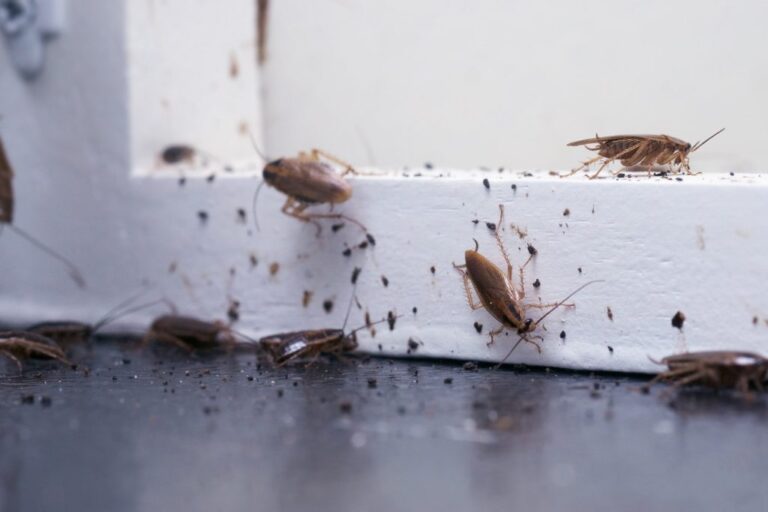
The Sunshine Coast has multiple cockroach species, but German cockroaches are in a class of their own. While Australian and American cockroaches mostly live outdoors and wander inside, Germans establish breeding populations INSIDE your home and are extremely difficult to eliminate.
Identification:
- Small: 12-15mm long (thumbnail-sized)
- Light tan/brown with 2 dark parallel stripes behind head
- Winged but rarely fly
- If you see 1, you have 100+ (they hide during day)
Where They Hide
- Behind/under kitchen appliances (fridges, ovens, dishwashers)
- Inside cupboards (particularly near hinges)
- Bathroom cabinets and under sinks
- Behind microwave, toaster, coffee machine
- Motor compartments of appliances (warmth + shelter)
- Cracks and crevices in walls, especially near water pipes
Signs of Infestation
- Live cockroaches in kitchen/bathroom (especially at night)
- Droppings: looks like ground black pepper or coffee grounds in drawers/cupboards
- Musty odor in severe infestations
- Egg cases (oothecae): small, brown, pill-shaped capsules
- Smear marks in corners and along edges
Why They’re So Difficult
- Rapid reproduction: 1 female = 300-400 offspring in lifetime, 36 days egg to adult
- Pesticide resistance: Developed resistance to pyrethroids (most DIY sprays)
- Protected eggs: Female carries egg case until 1-2 days before hatching
- Tight harbourages: Hide in cracks as thin as 1.6mm
Prevention Strategies
Sanitation (Critical):
- Wipe down all surfaces nightly (remove grease/food residue)
- Store ALL food in sealed containers (they’ll eat cardboard packaging)
- Empty bin daily and keep bin clean
- Don’t leave dishes in sink overnight
- Clean behind/under appliances monthly
- Vacuum frequently (removes eggs and nymphs)
Moisture Control:
- Fix leaking taps immediately (they need water)
- Wipe down sinks before bed
- Fix any plumbing leaks under sinks
Exclusion:
- Seal cracks around pipes entering walls
- Caulk gaps in cupboards and drawers
- Be careful with second-hand appliances (can bring roaches in)
Sunshine Coast Hotspots
- Units/townhouses in Maroochydore, Mooloolaba (shared walls = spread between properties)
- Older apartments in Cotton Tree, Alexandra Headland
- Any property with humidity issues
DIY Treatment (Low Success Rate):
- Gel bait (Advion, Maxforce) in harbourage areas – best DIY option
- DON’T use surface sprays (makes them scatter throughout house)
- DON’T use bombs/foggers (same problem + resistance)
When to Call Professionals
- Seeing more than 1-2 cockroaches
- Finding them during daytime (sign of severe infestation)
- DIY treatment hasn’t worked within 2 weeks
- You’re in a unit/townhouse (need comprehensive treatment)
Professional Cockroach Treatment:
- Cost: $350-$650 (2 treatments typically needed)
- Methods: Professional-grade gel bait (50-100+ placements), crack/crevice treatment, insect growth regulator (IGR), dust in wall voids
- Success rate: 95%+ when client maintains sanitation
Real Example: Maroochydore unit owner battled German cockroaches for 6 months with supermarket sprays ($200+ spent). When we arrived, severe infestation behind fridge and in cupboards. We used combination treatment: gel bait in 80 locations, IGR spray, dust in wall voids. Client did deep clean before treatment. Follow-up at 3 weeks showed 95% reduction. Final treatment at 6 weeks eliminated them. Total cost: $580. They’ve been cockroach-free for 2 years with quarterly preventative treatments.
3. Rodents (Rats & Mice) – The $3,000 Electrical Fire Risk
Threat Level: CRITICAL
Property Damage Risk: High (electrical wiring)
DIY Effectiveness: 30-40% (depends on severity)
Species on Sunshine Coast
Norway Rats (Rattus norvegicus):
- Large: 200-400g, brown/grey, blunt nose, small ears
- Ground-dwelling (burrow in gardens, under slabs)
- Common near water sources (Kawana, properties with dams/creeks)
Roof Rats/Black Rats (Rattus rattus):
- Medium: 150-250g, black/dark brown, pointy nose, large ears
- Excellent climbers (live in roof voids, trees)
- Most common rat in Sunshine Coast homes
House Mice (Mus musculus):
- Small: 12-30g, grey/brown, large ears relative to body
- Live anywhere in house (wall cavities, cupboards, roof voids)
- Can squeeze through 6mm gaps (size of a biro)
Signs of Rodent Activity
- Droppings: Rat droppings 12-18mm (like olive pit), mouse droppings 3-6mm (like rice grain). Fresh = shiny/soft, old = dull/hard
- Gnaw marks: On wires, wood, plastic pipes. Fresh gnawing = lighter colored wood
- Scratching/scurrying sounds: In roof void or walls, especially at dawn/dusk
- Rub marks: Dark greasy streaks along walls where they run
- Burrows: Holes in garden beds, under slabs (Norway rats)
- Nests: Shredded paper/insulation in roof void or cupboards
- Tracks: Footprints in dust (check roof void with flashlight)
- Urine smell: Strong ammonia odor in confined spaces
Why They’re Dangerous
- Electrical fire risk: Chew through wiring insulation (I’ve seen $2,000-$5,000 electrical repair bills)
- Disease transmission: Leptospirosis, Salmonella, Hantavirus via urine/droppings
- Property damage: Chew through water pipes, insulation, stored items
- Rapid breeding: Rats: 5-10 litters/year, 6-12 pups each. Mice: 5-10 litters/year, 5-6 pups each. Go from 2 rats to 50+ in 3-4 months
Sunshine Coast Seasonal Patterns
March-June (Autumn/Winter): PEAK rodent season. They seek indoor shelter as temperatures drop.
April-May: Cane harvesting (Bli Bli, Yandina area) displaces massive rodent populations into nearby homes.
High-Risk Properties:
- Near cane fields (Bli Bli, Yandina, Nambour surrounds)
- Fruit trees in yard (food source)
- Chickens/aviaries (spilled feed attracts rodents)
- Compost bins (if not properly sealed)
- Properties backing bushland
- Older Queenslander homes (large roof voids)
Prevention Strategies
1. Exclusion (Most Important):
- Seal gaps around pipes, vents, cables entering house
- Install rodent-proof vent covers (mesh screens)
- Trim tree branches away from roofline (1 meter minimum)
- Check for damaged roof tiles or gaps in eaves
- Door sweeps on external doors (check for daylight under doors)
- Seal weep holes with stainless steel mesh (allow ventilation but block entry)
2. Remove Food Sources:
- Store pet food in sealed containers, don’t leave overnight
- Pick up fallen fruit from trees daily
- Use rodent-proof compost bins
- Store bird seed in metal containers
- Don’t overfill bird feeders (spilled seed attracts rodents)
3. Remove Harbourage:
- Clear garden clutter (stacked timber, old furniture, junk piles)
- Keep firewood elevated and away from house (5+ meters)
- Trim dense vegetation near house walls
- Store items in roof void in sealed plastic tubs, not cardboard boxes
DIY Treatment Options
Snap Traps (Best DIY Method):
- Placement: Along walls (rodents follow edges, not open spaces)
- Bait: Peanut butter works better than cheese
- Pre-bait: Set traps but don’t arm for 2-3 days (reduce trap shyness)
- Cost: $5-15 per trap
- Effectiveness: Good for small infestations
Bait Stations (Higher Risk):
- Use only lockable tamper-proof stations (pets/kids safety)
- Problem: Rodents may die in inaccessible areas (wall cavities = smell for 2-3 weeks)
- Place outside when possible (rodents leave to find water)
When to Call Professionals
- Hearing rodents in roof void/walls (established infestation)
- Finding droppings regularly despite DIY efforts
- Near cane fields during harvest season
- Need entry point identification and sealing
- Want to avoid risk of dead rodent smell in walls
Professional Treatment:
- Cost: $400-$1,200 (includes exclusion work)
- Methods: Roof void/subfloor inspection, bait stations (strategic placement to minimize in-wall deaths), trapping if needed, entry point sealing, follow-up checks
- Duration: 2-4 weeks to eliminate population
Real Example: Bli Bli property during cane harvest (April). Homeowner heard scratching in roof void. We inspected and found Norway rats had entered through gap where TV antenna cable entered roof. We installed 6 bait stations in roof void (strategic placement near eaves so rodents exit to die), sealed entry points (12 different gaps), and trimmed overhanging tree branches. Bait consumption stopped at week 3 (all rodents eliminated). Total cost: $780. No dead rat smell because bait placement forced them to exit. Exclusion work has kept them rodent-free for 18 months.
4. Coastal Brown Ants – The Endless Army
Threat Level: MODERATE
Nuisance Factor: EXTREME
DIY Effectiveness: 40% (temporary relief only)
Why Coastal Brown Ants Dominate the Sunshine Coast
If you live anywhere from Coolum to Caloundra, you know these ants. They’re THE dominant ant species on the Sunshine Coast, and they drive homeowners absolutely crazy. I get more calls about coastal brown ants than any other ant species—not because they’re dangerous, but because they appear in THOUSANDS within hours of rain and seem impossible to eliminate permanently.
Identification:
- Small: 2-3mm long (smaller than a match head)
- Light to dark brown color
- Move in defined trails (hundreds to thousands of ants)
- Extremely fast-moving
- Don’t bite or sting (purely nuisance pest)
Why They’re So Persistent
Super-Colony Structure:
- Multiple queens (polygyne colonies)
- Interconnected nests across hundreds of meters
- Can contain millions of ants
- Kill one nest, others remain active
- Colonies split when threatened (budding) – making them harder to eliminate
Behavior Patterns:
- Highly attracted to moisture and sweet foods
- Swarm after rain (nests flood, they seek dry ground)
- Form trails thousands strong within 1-2 hours
- Peak activity: October-March (summer wet season)
Where They Nest
- Garden beds (mulch, under plants)
- Under pavers and stepping stones
- In wall cavities (enter through weep holes)
- Under pot plants
- Tree stumps and rotting wood
- Cracks in concrete slabs
- Behind retaining walls
Sunshine Coast Hotspots
Properties near beaches are hit hardest:
- Coolum, Peregian, Marcus Beach (sandy soil, coastal proximity)
- Alexandra Headland, Mooloolaba (beachside properties)
- Marcoola, Mudjimba
- Any property with sandy, well-drained soil
Prevention Strategies
1. Remove Attractants:
- Wipe down benches immediately after food prep
- Store sugar, honey, jam in fridge or sealed containers
- Don’t leave pet food bowls out (wash immediately after feeding)
- Fix leaking taps and hoses (moisture attracts them)
- Keep sink dry overnight
2. Physical Barriers:
- Caulk gaps around windows and doors
- Seal weep holes with mesh (allows ventilation, blocks ants)
- Trim plants away from house walls (1 meter gap)
- Create gravel/pebble barrier between garden beds and house
3. Garden Management:
- Keep mulch 300mm away from house foundation
- Remove rotting wood and tree stumps
- Lift pot plants off ground (use pot feet/stands)
- Check under pavers regularly and disturb nests
DIY Treatment (Temporary Relief)
What Works (Short-Term):
- Ant sand/gel baits: Place along trails. Ants take bait back to nest. Success rate: 50-60% (doesn’t reach all nests in super-colony)
- Boiling water: Pour directly on visible nests. Kills that nest but doesn’t affect connected colonies
- Diatomaceous earth: Natural barrier around entry points. Needs reapplication after rain
What Doesn’t Work:
- Surface sprays: Ants just find new routes within hours
- Vinegar/lemon juice: Disrupts trail temporarily (2-4 hours) but they re-establish
- Ant “barrier” sprays: Coastal browns cross them without issue
Realistic Expectations:
DIY treatments provide 1-4 weeks relief maximum. The super-colony structure means complete elimination is nearly impossible without professional treatment. Most homeowners settle into a pattern of treating trails as they appear.
Professional Treatment
Cost: $250-$500
Methods:
- Non-repellent insecticide (Fipronil-based) applied to nests and trails
- Ants walk through it unknowingly, transfer to colony members
- Colony collapse over 2-4 weeks
- Perimeter barrier treatment prevents new colonies entering
- Granular baits in garden beds
Duration of Relief:
- 2-3 months typical (longer in dry periods)
- Coastal properties may need retreatment every 6-8 weeks in summer
- Best approach: quarterly treatments as part of general pest control
Real Example: Peregian Beach property had coastal brown ant trails every week in summer. Owner spent $150+ on DIY baits over 3 months with minimal success. We did comprehensive treatment: identified 8 nests in garden beds, treated with non-repellent insecticide, applied perimeter barrier, treated garden bed edges with granular bait. Result: 3 months completely ant-free. They now do quarterly treatments ($180 each) and haven’t seen major trailing in 2 years.
5. Spiders – From Harmless Huntsmans to Deadly Funnel-Webs
Threat Level: LOW to HIGH (species-dependent)
Health Risk: Minimal to Severe
DIY Effectiveness: 60-70%
Common Sunshine Coast Species
DANGEROUS SPECIES:
1. Redback Spiders (Latrodectus hasselti):
- Identification: Female 10mm body, black with distinctive red/orange stripe on abdomen. Male much smaller (3-4mm), no red stripe
- Venom: Neurotoxic – can cause severe pain, sweating, muscle weakness. Antivenom available. Deaths rare but bites require medical attention
- Where found: Outdoor furniture, under eaves, in sheds, meter boxes, behind bins, under decking, inside unused BBQs
- Web: Messy, tangled cobwebs in sheltered spots
- Common areas: Throughout Sunshine Coast, especially in garages and outdoor areas
2. Funnel-Web Spiders:
- Species: Northern Tree-dwelling Funnel-web (Hadronyche formidabilis) found in hinterland
- Identification: Large (20-40mm body), glossy black/dark brown, powerful fangs visible
- Venom: POTENTIALLY DEADLY – medical emergency if bitten. Antivenom available
- Where found: Maleny, Montville, Mapleton, Eumundi areas. In tree hollows, under bark, in firewood piles, rockeries
- Behavior: Aggressive when threatened, rears up and displays fangs
- Peak activity: Summer, especially after rain when males wander seeking females
3. White-Tailed Spiders (Lampona spp.):
- Identification: 12-18mm body, dark grey with white spot on tail end
- Venom: Painful bite, local reaction. “Flesh-eating” reputation is myth – no evidence of necrosis
- Where found: Inside homes, in bedding, clothing, behind picture frames, in bathrooms
- Behavior: Nocturnal hunters, prey on other spiders (including black house spiders)
HARMLESS SPECIES (Nuisance Only):
4. Huntsman Spiders:
- Identification: Large (up to 15cm leg span), brown/grey, flattened body, crab-like leg arrangement
- Venom: Harmless to humans (may bite if provoked but minimal effect)
- Benefit: Eat cockroaches, mosquitoes, other pest insects
- Where found: Behind curtains, in roof voids, on walls, in cars (they LOVE hiding behind sun visors)
- Behavior: Fast-moving, non-aggressive, prefer to run away
5. Black House Spiders (Badumna insignis):
- Identification: 10-18mm body, dark brown/black, stocky build
- Web: Lacy, funnel-shaped (NOT a funnel-web spider despite web shape)
- Venom: Painful bite but not dangerous
- Where found: Window frames, eaves, fence posts, tree bark
6. St Andrews Cross Spiders (Argiope keyserlingi):
- Identification: Body 10-16mm, yellow/silver with brown stripes, distinctive X-shaped stabilimentum in web
- Venom: Harmless to humans
- Where found: Gardens, between shrubs, beneficial for pest control
Prevention Strategies
1. Remove Harbourage:
- Regular web removal (weekly) – spiders won’t stay if webs constantly destroyed
- Clear garden debris (leaf litter, stacked timber, rocks)
- Store firewood away from house, elevated off ground
- Shake out shoes/clothing left outside
- Check outdoor furniture before sitting (especially plastic chairs – redback favorite)
2. Reduce Food Source (Other Insects):
- Keep outdoor lights off when not needed (attract insects which attract spiders)
- Use yellow/amber bulbs instead of white (less attractive to insects)
- Regular general pest control reduces spider prey
3. Exclusion:
- Seal gaps around doors and windows
- Install insect screens on windows (keep closed at night)
- Check/seal gaps where pipes and cables enter house
DIY Spider Control
Surface Sprays (Moderate Effectiveness):
- Pyrethrin-based sprays on eaves, window frames, door frames
- Residual lasts 4-8 weeks
- Remove webs before spraying (spray won’t penetrate existing webs)
- Focus on corners, crevices, eaves
Physical Removal (Best for Harmless Species):
- Use spider catcher or jar/card method for huntsmans
- Vacuum webs (including egg sacs)
- Regular removal discourages spiders from returning
Natural Deterrents (Limited Effectiveness):
- Peppermint oil spray (10 drops in 500ml water) – anecdotal only
- Citrus peels in cupboards – minimal effect
- Conkers (horse chestnuts) – no scientific evidence
When to Call Professionals
- Redback or funnel-web infestation (health risk)
- Large numbers of spiders despite DIY efforts
- Spiders inside house regularly (indicates entry points need treatment)
- You’re uncomfortable treating yourself
Professional Treatment:
- Included in standard quarterly pest control ($150-$200)
- Web removal + residual treatment to eaves, frames, harbourage areas
- Roof void dusting for severe infestations
- Lasts 3-4 months
First Aid for Spider Bites:
- Redback/Funnel-web: Apply pressure bandage, keep still, call 000 immediately
- Other species: Ice pack, clean wound, monitor for infection. Seek medical advice if concerned
- Try to capture/photograph spider for identification
Real Example: Montville property had funnel-web spiders in woodpile near house. Homeowner’s children played in yard. We did comprehensive treatment: removed woodpile to 10+ meters from house, treated rockery and garden beds where spiders harboured, applied barrier around house perimeter, roof void dust treatment. Educated family on funnel-web behavior and first aid. Follow-up treatments every 3 months. No funnel-web sightings in house/yard for 12 months. Cost: $450 initial + $180 quarterly maintenance.
6. Mosquitoes – Nuisance & Disease Vector
Threat Level: MODERATE
Health Risk: Moderate (disease transmission)
DIY Effectiveness: 70% (with proper prevention)
Why Mosquitoes Are a Sunshine Coast Problem
High humidity + warm temperatures + afternoon storms = perfect mosquito breeding conditions year-round. Properties backing onto creeks, wetlands, or with poor drainage are hit hardest.
Common Species:
- Aedes notoscriptus (Common Australian mosquito): Day-biter, breeds in containers, aggressive around ankles
- Culex species: Night-biter, breeds in stagnant water, potential West Nile Virus vector
- Aedes aegypti: Dengue vector (not currently established on Sunshine Coast but monitored)
Diseases of Concern:
- Ross River Virus (most common mosquito-borne illness in region)
- Barmah Forest Virus
- Dengue (risk if Aedes aegypti establishes)
Breeding Sites (The Key to Control)
Mosquitoes need standing water to breed. Eggs to adult takes 7-10 days.
Common Breeding Sites in Sunshine Coast Yards:
- Blocked gutters (leaf debris holds water)
- Pot plant saucers
- Kids’ toys left in yard (buckets, ride-on toys with depressions)
- Tarpaulins with water pooling
- Boats, kayaks (water collects in hulls)
- Wheelbarrows stored upright
- Bird baths (change water weekly)
- Ornamental ponds without fish/circulation
- Old tires
- Pool covers with standing water
- Tree holes, bamboo stumps cut at angle
Prevention Strategies (Most Effective)
1. Eliminate Breeding Sites (90% of Solution):
- Weekly yard inspection – tip out ALL standing water
- Clean gutters quarterly (before wet season critical)
- Empty pot saucers after rain
- Store items undercover/inverted (wheelbarrows, buckets)
- Change bird bath water weekly
- Stock ornamental ponds with mosquito-eating fish (goldfish, native gudgeons)
- Install pond pump/fountain (mosquitoes won’t breed in moving water)
- Drill drainage holes in bottom of recycling bins
2. Personal Protection:
- Insect repellent containing DEET, Picaridin, or Oil of Lemon Eucalyptus
- Long sleeves/pants during peak biting times (dawn/dusk)
- Mosquito coils/plug-ins for outdoor entertaining
- Insect screens on windows/doors (ensure no gaps)
3. Yard Treatment:
- Fans on outdoor patios (mosquitoes are weak fliers)
- Citronella candles (limited effectiveness, 1-meter radius only)
- Mosquito-repelling plants (lemongrass, lavender) – minimal effect
High-Risk Properties
- Backing onto Currimundi Lake, Kawana wetlands, Maroochy River
- Near mangroves (saltmarsh mosquitoes)
- Properties with dams or poor drainage
- Hinterland creek frontage
Professional Treatment
Residual Barrier Treatment:
- Cost: $200-$400 (standalone) or included in quarterly pest control
- Spray vegetation, eaves, outdoor surfaces where mosquitoes rest
- Kills adult mosquitoes on contact
- Duration: 4-6 weeks (rain shortens effectiveness)
- Best timing: before outdoor events/parties
Larvicide Treatment:
- Applied to water features that can’t be drained
- Biological control (Bacillus thuringiensis israelensis – Bti)
- Safe for fish, pets, wildlife
- Kills larvae before they become biting adults
Limitations:
Professional treatment helps but isn’t a complete solution if breeding sites aren’t eliminated. You can’t spray your way out of a mosquito problem—source reduction is essential.
Real Example: Kawana property backing onto wetlands had severe mosquito problem every summer. Homeowner spent $300+ on bug zappers, citronella, coils – minimal relief. We did property inspection and found: blocked gutters, 15+ pot saucers with water, kids’ sandpit toys collecting water, ornamental pond with no fish. We provided comprehensive plan: gutter clean + residual treatment ($380), client eliminated all breeding sites, added goldfish to pond. Result: 80% reduction in mosquitoes. Now does pre-summer treatment annually + maintains breeding site elimination.
7. Australian & American Cockroaches – The Outdoor Wanderers
Threat Level: LOW-MODERATE
Health Risk: Moderate (allergens, bacteria)
DIY Effectiveness: 60%
How They Differ from German Cockroaches
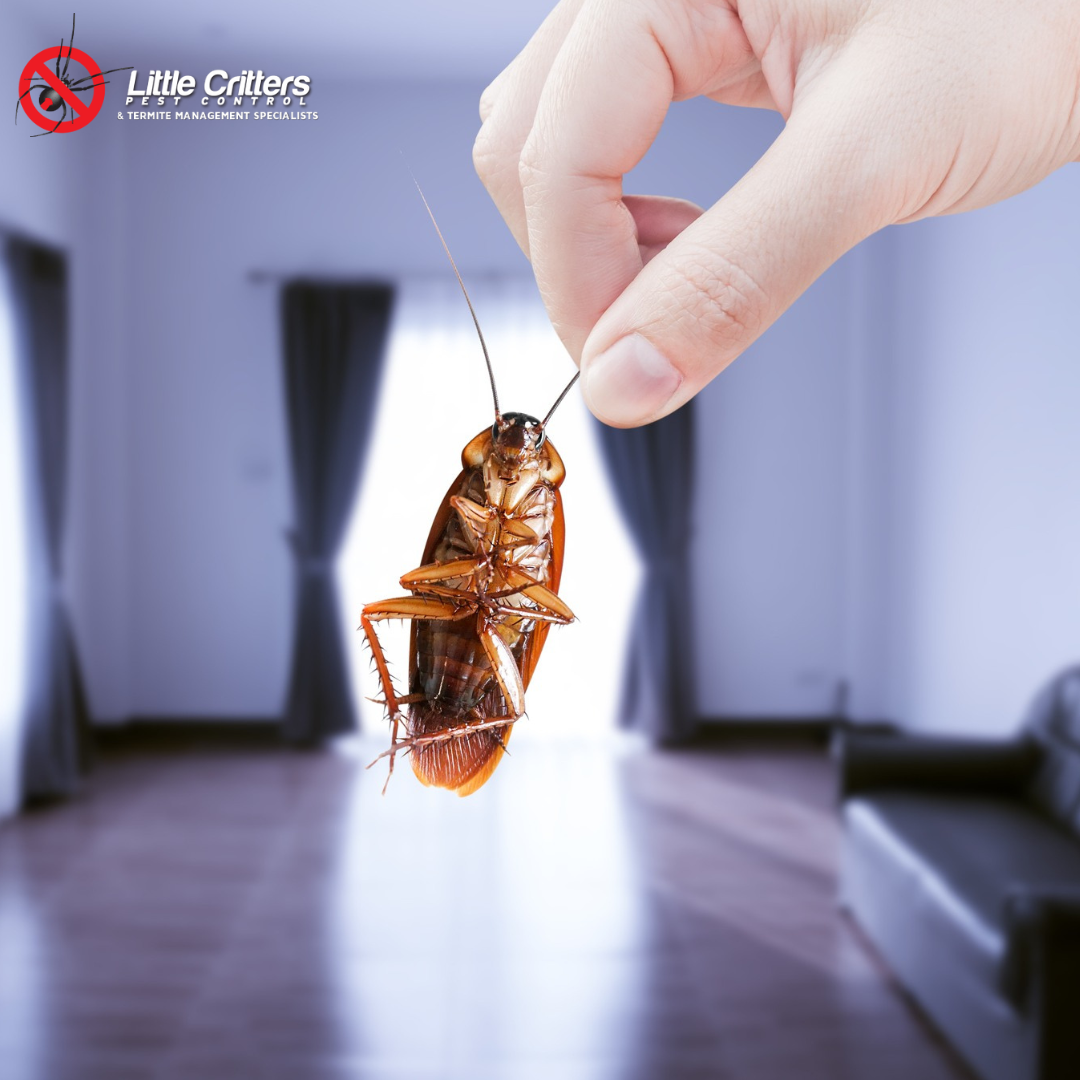
Unlike German cockroaches (which breed indoors), Australian and American cockroaches primarily live OUTSIDE and wander into homes seeking food/shelter. This makes them much easier to control.
Australian Cockroach (Periplaneta australasiae):
- Size: 30-35mm (adult finger-length)
- Color: Dark brown with yellow markings on thorax
- Habitat: Gardens, mulch, compost bins, subfloor areas
- Flies: Yes, particularly males
- Most common large roach on Sunshine Coast
American Cockroach (Periplaneta americana):
- Size: 35-40mm (largest common cockroach)
- Color: Reddish-brown
- Habitat: Drains, sewers, subfloor, wall cavities in wet areas
- Flies: Yes, strong fliers
- Also called “Palmetto bug”
Where They Live
Outdoor:
- Mulch and garden beds (love decomposing organic matter)
- Compost bins
- Under pot plants
- Rockeries and retaining walls
- Tree bark, wood piles
- Roof gutters (leaf litter)
Indoor (Temporary Visitors):
- Subfloor areas (if present)
- Bathrooms and laundry (moisture)
- Kitchen (food sources)
- Garages and sheds
Behavior Patterns
- Nocturnal (most active 2-5am)
- Enter homes through gaps under doors, weep holes, vents
- Attracted to light (fly to windows/lights at night)
- Don’t establish large indoor populations (unlike Germans)
- Peak season: September-March (warm weather)
Prevention Strategies
1. Reduce Outdoor Population:
- Keep mulch thin (50mm max) and away from house (300mm gap)
- Use pebbles/gravel instead of mulch near house
- Compost bins: sealed, away from house
- Remove leaf litter from garden beds
- Clean gutters (roaches breed in decomposing leaf matter)
- Lift pot plants off ground
2. Exclusion:
- Door sweeps (check for light gaps when closed)
- Seal weep holes with stainless mesh
- Weather stripping around doors/windows
- Seal gaps around pipes entering house
- Install vent covers on subfloor vents
3. Sanitation:
- Store rubbish bins away from house
- Don’t leave pet food out overnight
- Fix leaking outdoor taps
- Clean BBQ after use (grease attracts them)
DIY Treatment
Surface Sprays (Effective for These Species):
- Treat garden beds, mulch areas, under eaves
- Pyrethroid-based products (Permethrin, Bifenthrin)
- Focus on outdoor harbourage areas
- Reapply every 6-8 weeks
Baits (Less Effective Than For Germans):
- These roaches prefer fresh food over bait
- Can use as supplement to spray treatment
Professional Treatment
- Included in standard quarterly service
- External perimeter treatment targets outdoor population
- Prevents them entering house
- Much more effective than treating indoors
8. Silverfish – The Paper & Fabric Destroyers
Threat Level: LOW
Property Damage: Moderate (books, clothing, wallpaper)
DIY Effectiveness: 50%
Identification
- Size: 12-19mm long
- Appearance: Silvery-grey, fish-like shape, 3 tail bristles
- Movement: Fast, wiggling motion
- Wingless
Why They’re in Your House
Silverfish love high humidity (75-95%) and moderate temperatures. The Sunshine Coast’s climate is perfect for them, especially in poorly ventilated areas.
What They Eat:
- Carbohydrates and starches (cellulose)
- Book bindings, paper, cardboard
- Wallpaper (especially the glue)
- Cotton, linen, silk fabrics
- Flour, cereals, oats
- Dead insects
Where They Hide
- Bathrooms and laundries (high moisture)
- Bookshelves and storage boxes
- Wardrobes (especially with old clothing)
- Kitchen pantries
- Behind wallpaper
- Roof voids and subfloor areas
Prevention
1. Reduce Humidity:
- Use dehumidifiers in damp areas (target <60% humidity)
- Improve ventilation (exhaust fans in bathroom/laundry)
- Fix leaks promptly
- Ensure subfloor ventilation adequate
2. Remove Food Sources:
- Store books in dry areas
- Use plastic storage containers instead of cardboard boxes
- Store flour/cereals in sealed containers
- Clean out old papers, magazines
- Vacuum regularly (removes eggs and food debris)
DIY Treatment
- Surface sprays in harbourage areas (skirting boards, cupboards)
- Diatomaceous earth in roof void/subfloor
- Cedar blocks in wardrobes (limited effectiveness)
- Sticky traps to monitor population
Professional Treatment: Included in internal pest treatment. Dust formulations in roof void and wall voids most effective.
9. Carpet Beetles – The Fabric & Fur Destroyers
Threat Level: LOW
Property Damage: Moderate (woolens, carpets, upholstery)
DIY Effectiveness: 60%
Identification
Adult Beetle:
- Size: 2-5mm (tiny)
- Appearance: Oval, mottled brown/white/yellow scales
- Often seen on windowsills (attracted to light)
Larvae (The Damaging Stage):
- Size: 4-7mm
- Appearance: Carrot-shaped, brown, covered in bristly hairs
- These cause the damage to fabrics
What They Damage
- Wool carpets and rugs
- Woolen clothing, blankets
- Upholstered furniture (wool/silk)
- Fur, feathers, leather
- Taxidermy, wool felt
- Pet hair accumulation in carpets
Lifecycle & Behavior
- Adults emerge in spring (September-November)
- Lay eggs in dark, undisturbed areas
- Larvae feed for months (up to a year)
- Damage occurs slowly – often not noticed until severe
High-Risk Items
- Stored woolen blankets/clothing (especially unsealed)
- Wool carpets under furniture (dark, undisturbed)
- Upholstered antique furniture
- Carpets in closets/spare rooms (low traffic)
Prevention
- Vacuum regularly, especially under furniture and in corners
- Store woolen items in sealed plastic bags/containers
- Cedar blocks or lavender sachets in wardrobes (mild deterrent)
- Dry clean woolens before storage
- Regularly move furniture to clean underneath
- Remove pet hair from carpets frequently
DIY Treatment
- Thorough vacuuming (dispose of bag immediately)
- Steam cleaning carpets (heat kills larvae)
- Freeze infested items (if possible) for 72 hours
- Surface spray in wardrobes and under furniture edges
Professional Treatment: Required for severe infestations. Includes carpet treatment, wall voids, and stored items inspection.
10. European Wasps – Aggressive Spring/Summer Invaders
Threat Level: MODERATE-HIGH
Health Risk: Moderate to High (multiple stings, allergic reactions)
DIY Effectiveness: 20% (dangerous to attempt)
Why European Wasps Are a Growing Problem
European wasps (Vespula germanica) are an invasive species that’s become increasingly common on the Sunshine Coast, particularly in the hinterland. Unlike native paper wasps which are relatively docile, European wasps are aggressive and dangerous.
Identification
- Size: 12-17mm
- Color: Bright yellow and black bands (more vivid than native wasps)
- No “waist” taper (thicker-bodied than paper wasps)
- Legs tucked close to body in flight
- Aggressive behavior near nests
Why They’re Dangerous
- Multiple stings: Can sting repeatedly (don’t lose stinger like bees)
- Group attacks: Will swarm if nest threatened (I’ve seen 50+ wasps attack at once)
- Allergic reactions: Anaphylaxis risk for allergic individuals
- Aggressive defenders: Attack with minimal provocation (vibrations from lawnmower can trigger)
Where They Nest
- Roof voids and wall cavities (access through eaves)
- Underground (old rodent burrows, under sheds)
- Compost bins, rarely-used BBQs
- Tree hollows
- Garden sheds, meter boxes
Nest Characteristics
- Grey papery appearance
- Can grow to basketball size or larger
- Single entrance hole
- Can contain 5,000-10,000+ wasps at peak
- Built spring to autumn, abandoned in winter
Peak Activity
- September-April (spring/summer/autumn)
- Most aggressive in late summer (Feb-March) when colony is largest
- Attracted to sweet foods, meat, pet food
High-Risk Areas
- Hinterland properties (Maleny, Montville, Mapleton, Nambour)
- Properties with bushland proximity
- Cooler areas (they prefer temperatures slightly lower than coast)
Prevention
- Seal roof and wall gaps before spring
- Cover compost bins securely
- Keep outdoor bins closed
- Don’t leave pet food outside
- Clean up fallen fruit promptly
- Check BBQs before use if stored outdoors
DIY Treatment: NOT RECOMMENDED
I cannot stress this enough: DO NOT attempt to treat European wasp nests yourself. Every year we treat people in hospital from attempted DIY wasp nest removal.
Why DIY Fails (and Is Dangerous):
- Supermarket sprays don’t penetrate nest (you’re just agitating them)
- Nests often hidden – you can’t see full size
- Wasps attack in swarm (50-100+ wasps)
- Night treatment isn’t safe (wasps are active at night in nest)
- Multiple stings can cause serious injury even without allergy
Professional Treatment (REQUIRED)
Cost: $200-$450 depending on nest location/size
Method:
- Full protective gear worn
- Professional-grade insecticide dust injected into nest
- Entrance sealed after treatment
- Colony dies within 24-48 hours
- Nest removal (if accessible and safe)
Timing:
- Treat immediately when discovered
- Don’t wait—nest grows rapidly (doubles in size every 2-3 weeks)
- Early season nests (Oct-Nov) are smaller and cheaper to treat
Real Example: Maleny property owner found wasps entering roof void. Thought it was “just a few wasps” and sprayed with can from hardware store. Wasps swarmed, owner sustained 23 stings and needed hospital treatment. We arrived next day in full protective gear and found nest the size of a basketball with estimated 3,000+ wasps. Professional treatment eliminated colony. Cost: $380 + their hospital visit could have been avoided with immediate professional treatment at first sighting.
Universal Prevention Strategies That Work for Multiple Pests
While each pest has specific prevention needs, these core strategies reduce pest pressure across the board:
1. The “Dry, Clean, Sealed” Triangle
DRY:
- Fix all leaks immediately (taps, pipes, gutters, roof)
- Ensure adequate ventilation (subfloor, bathrooms, roof void)
- Use dehumidifiers in damp areas
- Grade soil away from house foundation (prevent moisture accumulation)
- Clean gutters quarterly
CLEAN:
- Daily kitchen wipedown
- Weekly vacuuming (include under furniture)
- Bins emptied regularly, bins cleaned monthly
- No dirty dishes overnight
- Store food in sealed containers
- Declutter storage areas (fewer hiding spots)
SEALED:
- Door sweeps on all external doors
- Weather stripping on windows
- Seal gaps around pipes/cables with expanding foam or silicone
- Weep hole mesh covers
- Repair damaged roof tiles and eaves
- Screen vents with fine mesh
2. Yard Management
- Maintain 1-meter vegetation-free zone around house perimeter
- Trim trees away from roofline (1-meter minimum)
- Remove dead vegetation, wood piles, junk
- Store firewood elevated and 5+ meters from house
- Use gravel/pebble border between garden beds and house
- Keep grass cut short
3. Seasonal Checklist
Spring (September):
- Annual termite inspection
- Comprehensive pest treatment (before summer explosion)
- Check/repair screens on windows/doors
- Seal any new gaps discovered over winter
Summer (December):
- Quarterly pest treatment
- Weekly mosquito breeding site checks (tip out water)
- Monitor for termite swarmers after rain
Autumn (March):
- Rodent prevention treatment (before they seek shelter)
- Quarterly pest treatment
- Check/seal entry points (rodents will test every gap)
Winter (June):
- Clean gutters (before spring)
- Quarterly pest treatment + termite inspection
- Check roof void for rodent activity
When to DIY vs. When to Call Professionals
Here’s an honest breakdown based on 15 years of seeing both successes and expensive failures:
DIY Can Work For:
✅ Single spider sightings (harmless species)
- Catch and release or simple spray
- Success rate: 100%
✅ Minor ant trails (Australian/American cockroaches wandering in)
- Surface spray + exclusion work
- Success rate: 60-70%
- Caveat: Temporary relief only for coastal brown ants
✅ Mosquito prevention
- Breeding site elimination is 90% of solution
- Success rate: 70% with diligent weekly checks
✅ Small-scale silverfish/carpet beetle prevention
- Humidity control + storage improvements
- Success rate: 50-60%
Professional Treatment REQUIRED For:
❌ Termites
- DIY is illegal in Queensland without license
- Voids insurance
- Average damage if untreated: $10,000-$15,000
- DIY success rate: 0%
❌ European Wasp Nests
- Serious injury risk
- Hospital admission not uncommon from DIY attempts
- DIY success rate: 20% (with high injury risk)
❌ Bed Bugs
- Extremely difficult to eliminate completely
- DIY often spreads them to more rooms
- DIY success rate: <5%
❌ German Cockroach Infestations
- Pesticide-resistant, rapid breeding
- Supermarket products make problem worse (scatter them)
- DIY success rate: 10-15%
Professional Recommended (But DIY Possible) For:
⚠️ Rodents in Roof Void/Walls
- Risk of dead rodents in inaccessible areas (smell for weeks)
- Entry point identification requires experience
- DIY success rate: 30-40%
- Professional success rate: 90%+
⚠️ Redback/Dangerous Spider Infestations
- Health risk (especially for children/elderly)
- Nest removal + preventative treatment more effective than spot-spraying
- DIY success rate: 40%
- Professional success rate: 85%
⚠️ Persistent Coastal Brown Ant Problems
- Super-colony structure makes complete elimination nearly impossible
- DIY provides 1-4 weeks relief
- Professional provides 2-3 months relief
- Best approach: quarterly professional as part of general pest plan
Cost Comparison: DIY vs Professional (Annual)
DIY Approach (Reactive):
- Hardware store products: $200-400/year
- Emergency professional treatments (2-3 per year): $500-$1,000
- Time investment: 20-40 hours
- Stress level: High (constant vigilance)
- Total: $700-$1,400 + your time
Professional Quarterly Plan (Preventative):
- 4 treatments: $600-$800/year
- Annual termite inspection: $300
- Emergency callouts: $0 (covered under warranty)
- Time investment: ~2 hours (being home during treatments)
- Stress level: Minimal
- Total: $900-$1,100
The Math: Professional is often CHEAPER when you factor in emergency treatments and your time. Plus you get early termite detection (potentially saves $10,000+).
Frequently Asked Questions
I’ve never had pests. Do I really need professional pest control?
Yes. “Never had pests” usually means “haven’t SEEN pests” – termites, rodents in roof voids, and many other pests work invisibly. The Sunshine Coast’s climate means every property has pest pressure. Regular inspections catch problems before you see them. Think of it like servicing your car – you don’t wait for the engine to fail before changing oil.
What’s the most dangerous pest on the Sunshine Coast?
For property damage: Termites (average $10,000-$15,000 damage). For health/safety: European wasps in hinterland (aggressive, multiple stings) and funnel-web spiders (potentially deadly venom). For fire risk: Rodents chewing electrical wiring.
I’m seeing one or two cockroaches at night. Is that a problem?
Depends on species. If they’re large (30mm+), likely Australian/American cockroaches wandering in from outside – minor issue, treat entry points. If small (12-15mm, light brown), it’s German cockroaches – MAJOR issue. For every German cockroach you see, assume 100+ hiding. Act immediately.
How do I know if I have termites?
Signs: mud tubes on walls/foundation, hollow-sounding timber, stuck doors/windows, blistering paint, flying termites after rain, discarded wings near windows. BUT – you often can’t see termites until damage is severe. This is why annual inspections are essential (and required by most insurance).
Are professional pest control chemicals safe for pets and children?
Yes, when applied correctly by licensed technicians. We use products registered with APVMA (Australian Pesticides and Veterinary Medicines Authority). Standard re-entry time is 2-4 hours after treatment (until surfaces are dry). Pets and children can return normally after that. We can use ultra-low-toxicity options if you have specific concerns, though these may require more frequent application.
Why do I keep getting ants after every rain?
You likely have coastal brown ants. Their nests flood after heavy rain and they seek dry ground – often inside your house. They form super-colonies with multiple queens, making them nearly impossible to eliminate permanently. Focus on: removing attractants indoors, sealing entry points, and quarterly professional treatments. Even with good management, you’ll probably see some ants occasionally – it’s the nature of coastal living.
I found a huntsman spider. Is it dangerous?
No. Huntsman spiders are harmless to humans and actually beneficial (they eat cockroaches and other pests). They’re timid and prefer to run away. You can safely catch and release them outside. Save your concern for redback spiders (red stripe on black body, messy webs in sheltered spots) and funnel-webs in hinterland areas (large, glossy black, aggressive).
My neighbor has termites. Does that mean I will too?
Possibly. Termite colonies can span multiple properties. If your neighbor has termites, you should schedule an inspection immediately – don’t wait for your annual. The colony may already be attacking your property underground. Early detection is everything with termites.
How long does professional pest treatment last?
General pest barrier: 3-4 months (why quarterly service is recommended). Termite barriers: 5-8 years (with annual inspections). Rodent treatment: Depends on exclusion work – if entry points sealed, permanent. Individual treatments vary based on weather (heavy rain shortens duration), pest pressure, and property factors.
Can pests come up through my drains?
Yes. American cockroaches and drain flies can live in sewer lines and emerge through drains. Prevention: keep drain traps full (run water weekly in rarely-used drains), use drain strainers, pour boiling water down drains weekly, consider professional drain treatment if recurring problem. Rodents can also enter through damaged sewer lines in older properties.
What should I do if I get bitten/stung by a pest?
Redback/funnel-web spider: Apply pressure bandage, immobilize limb, call 000 immediately. Try to capture/photograph spider. European wasp (multiple stings): Remove from area, apply ice pack, take antihistamine. If breathing difficulty, swelling of face/throat, dizziness – call 000 (anaphylaxis). Mosquitoes: Clean bite, apply anti-itch cream. Monitor for flu-like symptoms (could indicate Ross River virus). General: Clean wound, ice pack, monitor for infection. Seek medical advice if concerned.
Get Professional Pest Control on the Sunshine Coast
The Sunshine Coast’s subtropical climate means pest pressure is constant and year-round. Whether you’re dealing with an active infestation or want to prevent problems before they start, professional pest management is the most cost-effective and stress-free approach.
Why Choose Little Critters Pest Control:
- 15+ years servicing Sunshine Coast properties (we know local pest patterns)
- Licensed Queensland Pest Management Technicians
- AEPMA members with specialist termite accreditations
- Comprehensive treatments covering all common pests
- 3-month warranty on general pest treatments
- Family and pet-safe products
- Honest advice – we’ll tell you what you actually need
- Same-day service available for emergencies
Our Services:
- General Pest Control (quarterly plans)
- Termite Inspections & Treatment
- Rodent Control & Exclusion
- Bed Bug Treatment
- Wasp Nest Removal
- Pre-Purchase Inspections
- Commercial Pest Management
Request A Quote
Don’t wait until pests become a major problem. Whether you need an emergency treatment or want to set up a preventative quarterly plan, we’re here to help. Request a Quote today and we’ll provide a customized solution for your property.