How Often Should You Get Pest Control on the Sunshine Coast? A Local Expert’s Guide
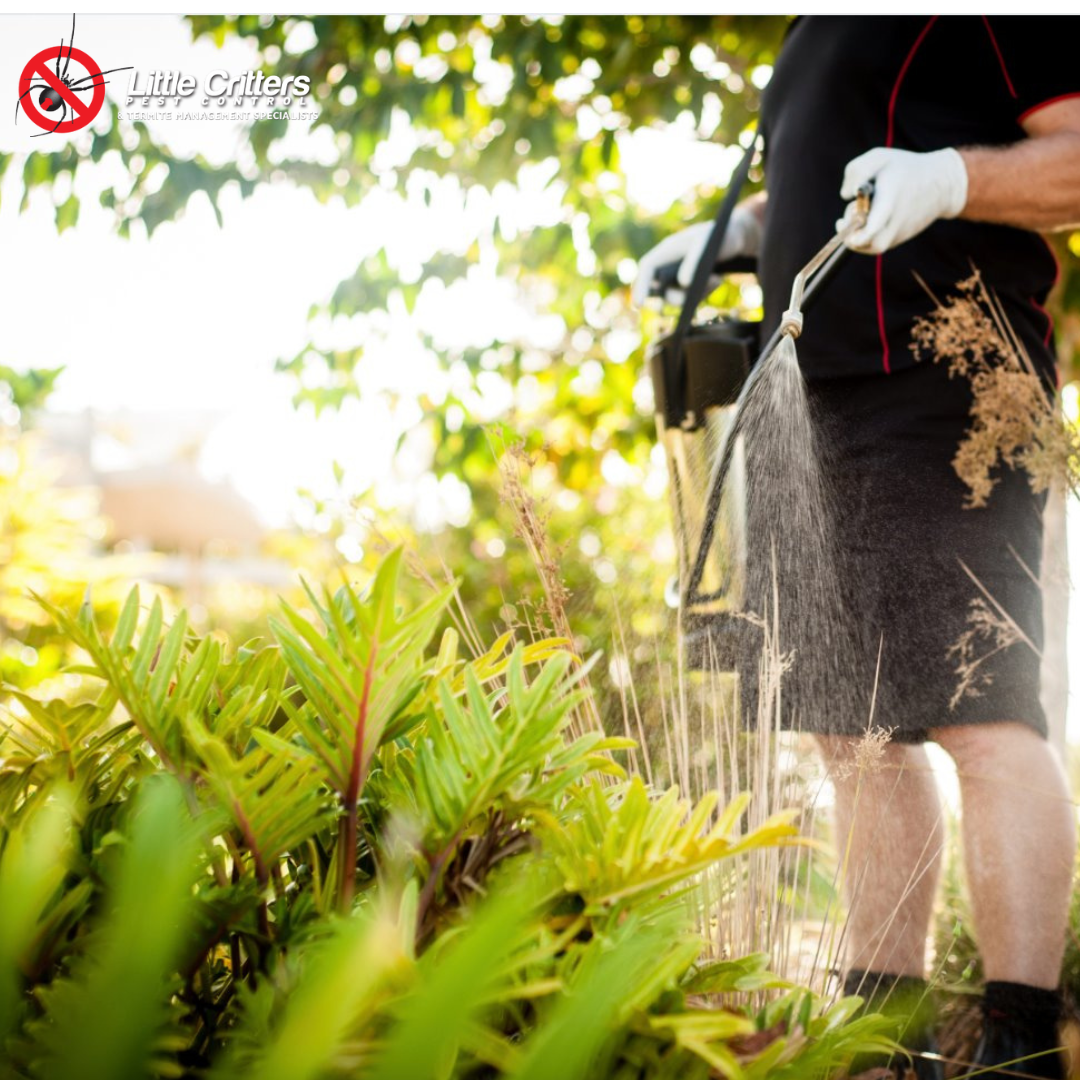
“How often do I really need pest control?” is the question I get asked most after completing a treatment. The honest answer: it depends on your property, your pest history, and where you live on the Sunshine Coast. But after 15 years and thousands of properties treated, I can give you a much better answer than the generic “every 3 months” you’ll see everywhere.
Let me break down exactly what determines your ideal pest control frequency, what you’re actually getting for your money, and how to know if you need treatments more or less often than the standard recommendation.
Table of Contents
- Quick Answer: Standard Recommendations
- Why Frequency Actually Matters
- What Determines YOUR Frequency
- Treatment Frequency Options Explained
- What’s Actually Included in Each Visit
- Cost Comparison: Frequency vs Value
- Signs You Need More Frequent Treatments
- Sunshine Coast Seasonal Pest Calendar
- Frequently Asked Questions
- Get Your Custom Schedule
Quick Answer: Standard Recommendations
Here’s the short version based on 15 years treating Sunshine Coast properties:
Standard Residential Home: Quarterly (every 3 months) – 4 treatments per year
High-Risk Properties: Bi-monthly (every 2 months) – 6 treatments per year
Commercial/Hospitality: Monthly – 12 treatments per year
New Builds/Low Risk: Can sometimes extend to 4-6 months between treatments
Termite Inspections: Annually minimum (required by most insurance policies)
But these are starting points. Keep reading to understand which category YOU actually fall into and why.
Why Pest Control Frequency Actually Matters
Let me explain what’s happening at a chemical level, because understanding this will help you make smarter decisions about your treatment schedule.
How Residual Treatments Work
When we treat your property, we apply residual insecticides that create a protective barrier. These products (typically Bifenthrin or Fipronil-based, registered with APVMA) bond to surfaces and remain active for a specific period.
Residual Effectiveness Timeline:
Weeks 1-4: Peak effectiveness – kills pests on contact
Weeks 5-8: Still highly effective – repels and kills most pests
Weeks 9-12: Effectiveness declining – particularly on high-traffic surfaces
Weeks 13-16: Minimal residual – pests can cross barrier without effect
This is why quarterly (3-month) treatments work for most properties – we’re re-treating before the barrier breaks down completely.
Sunshine Coast Factors That Reduce Treatment Duration
Our subtropical climate accelerates pesticide breakdown:
- UV degradation: Intense sun breaks down chemicals faster (coastal properties get hit hardest)
- Rain washoff: Heavy rainfall (especially summer storms) reduces barrier effectiveness
- High temperatures: Heat accelerates chemical breakdown
- Humidity: Moisture can dilute or wash away treatments
- Year-round pest pressure: Unlike southern states where pests go dormant in winter, ours are active 12 months
This means a treatment that might last 4-5 months in Melbourne only lasts 3 months here.
What Happens When You Skip Treatments
I’ve seen this pattern hundreds of times:
Scenario 1: Client skips from quarterly to 6-month intervals
- Month 1-3: Protected
- Month 4-5: Barrier weakening, small pest sightings begin
- Month 6: Calling us for an emergency treatment because ants/cockroaches have established
- Result: Spent more on emergency treatment than they saved by skipping
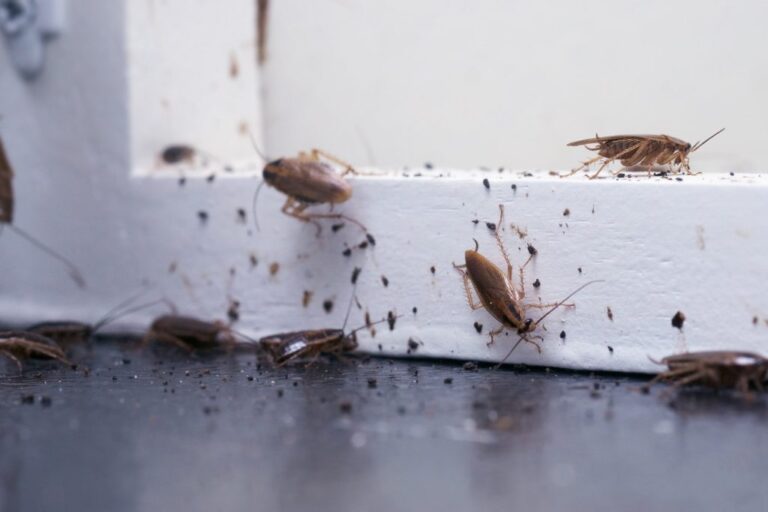
Real Example: A Buderim client stretched quarterly treatments to 6-monthly to “save money.” By month 5, German cockroaches had established in their kitchen. The emergency treatment + follow-up cost $650 vs. their regular $180 quarterly service. They went back to quarterly after that.
What Determines YOUR Ideal Frequency
Not all properties are equal. Here’s how to assess your risk level and determine if you need more or less frequent treatments than the standard quarterly schedule:
Location-Based Risk Assessment
HIGH RISK (Bi-monthly or quarterly minimum):
- Hinterland properties (Maleny, Montville, Mapleton, Eumundi) – bushland proximity
- Near cane fields (Bli Bli, Yandina) – seasonal rodent pressure
- Backing onto creeks or wetlands (Currimundi, Kawana) – mosquito breeding
- Near eucalyptus trees/bushland (termite attractants)
- Older suburbs with established vegetation (Cotton Tree, Mooloolaba, Alexandra Headland)
MODERATE RISK (Quarterly standard):
- Established residential suburbs (Maroochydore, Buderim, Sippy Downs)
- Standard suburban blocks with typical landscaping
- Townhouses/units with shared walls
- Properties 500m+ from bushland/water
LOWER RISK (Can sometimes extend to 4-6 months):
- Brand new estates (Aura, Harmony, Palmview) – minimal established pest populations
- Modern concrete slab homes with good sealing
- Minimal landscaping/low vegetation
- No history of pest issues
Property Type Considerations
Queenslander-Style Homes:
- Large subfloor areas = spider and rodent habitat
- Timber construction = termite risk
- Older seals/gaps = multiple entry points
- Recommendation: Quarterly minimum, annual termite inspection
Modern Slab Homes:
- Better sealing = fewer entry points
- No subfloor = reduced spider/rodent harbourage
- Still need termite monitoring (slabs can crack)
- Recommendation: Quarterly standard, annual termite inspection
Townhouses/Units:
- Shared walls = pest movement between properties
- Common areas can harbor pests
- Your treatment doesn’t help if neighbor has infestation
- Recommendation: Quarterly minimum, coordinate with body corporate if possible
Acreage/Rural:
- Large treatment areas
- Wildlife/agricultural pest pressure
- Multiple structures (sheds, workshops)
- Recommendation: Bi-monthly to quarterly, annual termite inspection
Pest History Matters
If you’ve had previous infestations:
- Termites: Move to bi-monthly monitoring checks + annual full inspections
- German cockroaches: Quarterly minimum (they re-establish fast)
- Rodents: Quarterly with ongoing monitoring (check bait stations)
- Bed bugs: Quarterly prevention after initial elimination
Lifestyle & Occupancy
Holiday homes/vacant properties:
- Still need quarterly (pests move in when vacant)
- Actually higher risk – no one there to notice early warning signs
- Schedule treatments before arrival if seasonal rental
Homes with pets:
- Flea risk – quarterly minimum
- Pet doors = entry points for rodents
- We use pet-safe products (2-4 hour re-entry)
Families with young children:
- Regular treatments reduce need for emergency/intensive treatments
- Can request ultra-low-toxicity options
- Preventative approach = less chemical use overall
Treatment Frequency Options Explained
Let me break down each frequency option with real costs, what’s included, and who it’s best for:
Quarterly Service (Every 3 Months) – The Industry Standard
What It Is:
- 4 treatments per year (typically timed with seasons)
- September, December, March, June schedule works well
Cost on Sunshine Coast:
- $150-$200 per visit for standard 3-4 bedroom home
- $600-$800 per year total
- Many companies offer package discounts (pay upfront = 10-15% off)
What’s Included (Standard Visit):
- External perimeter spray (1-meter band around house)
- Treatment of eaves, door frames, window frames, weep holes
- Garden bed edges and fence lines
- Internal treatment if active infestation (at no extra cost)
- Web removal from eaves/entry areas
- Visual inspection for signs of activity
- Treatment report
- Warranty (typically 3 months – free retreat if pests return)
Best For:
- Standard residential properties
- Established suburbs without extreme pest pressure
- Most homeowners on the Sunshine Coast
Why It Works:
- Aligns with residual treatment duration (3-4 months)
- Covers all four seasons and their unique pest challenges
- Prevents pests from establishing breeding populations
- Cost-effective (preventative cheaper than reactive)
Real Example: Average Maroochydore 4-bedroom on quarterly plan. Annual cost: $720 (4 x $180). In 3 years, they’ve had zero major infestations, no emergency callouts, no damage. Compare to their neighbor who does “as needed” treatments – had a German cockroach outbreak last year that cost $650 to treat.
Bi-Monthly Service (Every 2 Months) – High-Risk Properties
What It Is:
- 6 treatments per year
- Typically Feb, Apr, Jun, Aug, Oct, Dec
Cost on Sunshine Coast:
- $120-$160 per visit (lower per-visit cost on package)
- $720-$960 per year total
What’s Included:
- Everything in quarterly service
- More intensive monitoring
- Often includes roof void checks
- Rodent bait station checks if installed
Best For:
- Hinterland properties (Maleny, Montville, Mapleton)
- Backing onto bushland
- Near cane fields or agricultural areas
- Previous serious infestations (termites, rodents)
- Acreage properties
- Older homes with multiple entry points
Why It’s Worth It:
- Constant barrier protection
- Catches problems before they become infestations
- Essential for high-pressure environments
Real Example: Eumundi acreage property backing onto bushland. Tried quarterly initially but saw cockroaches and spiders return by week 10-11. Switched to bi-monthly – problem solved. The extra $240/year is worth it for peace of mind and no pest sightings.
Monthly Service – Commercial & Severe Cases
What It Is:
- 12 treatments per year
- Usually required by health regulations for food businesses
Cost on Sunshine Coast:
- $100-$200+ per visit depending on business size
- $1,200-$2,400+ per year
What’s Included:
- Full internal and external treatment
- Rodent bait station monitoring and replenishment
- Fly control (if applicable)
- Written treatment reports for health inspections
- Logbook maintenance
- Emergency callout service included
Required For:
- Restaurants, cafes, bakeries
- Food processing facilities
- Hotels and resorts
- Childcare centers
- Aged care facilities
Also Recommended For (Residential):
- Severe recurring German cockroach problems
- Properties during/after major rodent infestation (for 3-6 months)
Annual Only – When It Works (And When It Doesn’t)
What It Is:
- 1 treatment per year
- Sometimes combined with termite inspection
Cost on Sunshine Coast:
- $200-$300 for general pest treatment
- $250-$350 for termite inspection
- $400-$550 combined package
When Annual Works:
- Brand new homes in new estates (first 1-2 years only)
- Properties with zero pest history and ideal conditions
- Minimal landscaping, no bushland proximity
- You’re comfortable doing minor DIY spot treatments
When Annual Doesn’t Work:
- Sunshine Coast’s year-round pest pressure (we don’t get winter die-off)
- Residual only lasts 3-4 months maximum
- You’re unprotected 8-9 months of the year
- Usually end up needing emergency treatments anyway
My Honest Recommendation:
Annual pest treatment isn’t sufficient for 95% of Sunshine Coast properties. You can get away with annual termite inspections (that’s the minimum), but general pest control needs more frequency. The money you save skipping 3 treatments usually gets spent on emergency callouts.
Real Example: New home in Aura estate, owners opted for annual only. First year was fine (builders had done pre-construction treatment). Year 2, they had ants in March, cockroaches in October. Ended up spending $380 on two callouts vs. $180 x 4 = $720 quarterly. They switched to quarterly after that because constant pest sightings stressed them out even if it “only” cost $380 in treatments.
What’s Actually Included in a Standard Treatment Visit
Here’s what you should expect during a professional quarterly treatment (if your pest controller isn’t doing this, you’re not getting full value):
External Treatment (Primary Focus)
Perimeter Barrier:
- 1-meter band sprayed around entire house foundation
- Applied to ground and up wall to 1 meter height
- Focuses on areas pests use to enter (cracks, gaps, weep holes)
Entry Point Treatment:
- All door frames and thresholds
- Window frames and sills
- Weep holes (brick veneer homes)
- Gaps around pipes, vents, cables
- Meter boxes, outdoor electrical
Structural Areas:
- Eaves and soffits (spider webs removed first)
- Fence lines where they meet house
- Garden bed edges (where they contact house)
- Outdoor light fixtures
- Garage door tracks and frames
Additional Outdoor:
- Clothesline areas (common spider habitat)
- Outdoor entertaining areas/decks
- Sheds and outbuildings (if accessible)
Internal Treatment (When Needed)
Most quarterly services focus on external prevention. Internal treatment is added if:
- Active infestation present
- Previous pest activity in specific areas
- High-risk areas (wet areas, food storage)
Internal Work Includes:
- Crack and crevice treatment (skirting boards, cupboards)
- Behind/under appliances if accessible
- Bathroom and laundry areas (common cockroach harbourage)
- Roof void inspection and treatment (if needed)
Inspection & Reporting
- Visual inspection for signs of pest activity
- Identification of conducive conditions (moisture, entry points, food sources)
- Advice on preventative measures
- Written treatment report (email or hard copy)
- Photos of areas of concern
Duration & Re-entry
- Treatment time: 30-60 minutes for average house
- Re-entry time: 2-4 hours after treatment
- Pets can return when surfaces are dry
Cost Comparison: Treatment Frequency vs. Long-Term Value
Let’s look at real numbers over 3 years for a standard Sunshine Coast home:
Option 1: Quarterly Scheduled Service
- Cost: $720/year x 3 years = $2,160
- Pest incidents: Minimal (warranty covers any breakthrough)
- Emergency treatments: $0
- Stress level: Low
- Total 3-year cost: $2,160
Option 2: Annual Treatment Only
- Cost: $300/year x 3 years = $900
- Pest incidents: 4-6 per 3 years (ants, cockroaches, spiders)
- Emergency treatments: $250 each x 5 = $1,250
- Stress level: High (constant vigilance)
- Total 3-year cost: $2,150
You spend almost the same money but with more stress and reactive pest management.
Option 3: “As Needed” DIY + Professional When Desperate
- DIY products: $60/year x 3 = $180
- Major infestations: 2 over 3 years at $500-$800 each = $1,300-$1,600
- Time spent dealing with pests: 20+ hours
- Total 3-year cost: $1,480-$1,780 + your time
Cheaper on paper but highest stress, most time invested, and no guarantee of success.
The Real Value of Regular Service
Beyond direct costs, quarterly service provides:
- Early detection of termite activity (potentially saves $10,000-$15,000)
- No emergency stress or pest-related anxiety
- Professional monitoring of property changes
- Treatment records (valuable for insurance claims, property sales)
- Warranty protection (free re-service if pests return)
Signs You Need More Frequent Treatments
If you’re currently on quarterly service but experiencing these issues, consider moving to bi-monthly:
Pest Breakthrough Before Next Treatment
- Seeing cockroaches/ants at week 10-11 (before 3-month mark)
- Spider webs rebuilding within 6-8 weeks
- Frequent use of warranty re-services
Environmental Factors
- Neighbor’s property has major infestation
- New construction/land clearing nearby (displaces pests)
- Severe weather events washing away barrier
- Cane harvesting season if near fields
Property Changes
- Added water features, ponds, or extensive landscaping
- Installed aviaries or chicken coops (attract rodents)
- Got pets (flea risk)
- Home showing signs of aging (more entry points)
Sunshine Coast Seasonal Pest Calendar
Here’s what we’re targeting in each quarterly treatment and why timing matters:
Spring Treatment (September)
Primary Targets: Termites (swarming season begins), ants (breeding ramps up), wasps (nest building)
Why Critical: Prevents summer population explosion. This is your most important treatment of the year.
Summer Treatment (December)
Primary Targets: Cockroaches, mosquitoes, ants, flies, termites (peak activity)
Why Critical: Peak breeding season for most pests. Maintains barrier during highest pressure period.
Autumn Treatment (March)
Primary Targets: Rodents (seeking shelter), spiders (moving indoors), silverfish
Why Critical: Prevents pest migration indoors as temperatures cool. Rodent prevention essential.
Winter Treatment (June)
Primary Targets: Cockroaches (indoor populations), rodents (breeding in roof voids), termites (inspection ideal)
Why Critical: Targets indoor pests and prepares for spring activity. Best time for termite inspections.
Frequently Asked Questions
I just moved into a new home. When should I start pest control?
Immediately. Even new homes can have pests (construction disturbs nests, timber from suppliers can contain termites). Start quarterly service within first month and get a termite inspection within 3 months. New builds often have pre-construction termite barriers but these don’t cover general pests.
Can I skip a treatment if I haven’t seen any pests?
Not seeing pests means the treatment is working – that’s exactly when you should continue. Skipping allows barrier to break down and pests to re-establish. By the time you SEE pests, you already have an infestation that requires more expensive treatment.
What if I’m selling my house? Do I still need treatments?
Absolutely. A recent pest inspection report adds value to your sale and gives buyers confidence. Properties without recent pest control history often raise red flags during pre-purchase inspections. Keep your quarterly schedule through settlement.
I’m on quarterly service but still seeing pests between treatments. What’s wrong?
Several possibilities: (1) You’re in a high-pressure environment and need bi-monthly, (2) Treatment isn’t comprehensive enough (wrong products/methods), (3) Conducive conditions aren’t being addressed (leaks, food sources, entry points), or (4) Pests are coming from untreated neighboring properties. Call your pest controller – you should be covered under warranty.
How do I know if my pest controller is doing a thorough job?
Check: (1) Treatment takes 30-60 minutes minimum (10-minute “spray and go” isn’t adequate), (2) You receive a written report each visit, (3) They remove spider webs before spraying, (4) They inspect problem areas and provide advice, (5) Products used are explained (should be APVMA registered), (6) You see them treating eaves, door frames, weep holes – not just walking around spraying randomly.
Is quarterly service really necessary or is it just upselling?
Quarterly is genuinely the minimum for Sunshine Coast climate. It’s not upselling – it’s based on: (1) Residual treatment duration (3-4 months max), (2) Year-round pest breeding (no winter dormancy), (3) UV/rain degradation of chemicals, (4) Industry best practice across Australia. You CAN try annual or DIY, but the data shows it costs more long-term and provides less protection.
What about eco-friendly or pet-safe treatments – do they last as long?
Botanical pyrethrin-based products (most eco-friendly option) have shorter residual – typically 4-6 weeks vs. 12-16 weeks for synthetic pyrethroids. If you insist on botanical-only products, you’ll likely need monthly treatments instead of quarterly. Most pest controllers use synthetic pyrethroids (Bifenthrin, Deltamethrin) which are low-toxicity to mammals but highly effective against insects – these are the standard for quarterly service.
Do rental properties need pest control?
In Queensland, landlords are responsible for providing a pest-free property at start of tenancy and addressing major infestations (like termites). However, ongoing general pest control is often the tenant’s responsibility unless specified in the lease. Check your lease agreement. As a landlord, offering quarterly pest control as part of lease makes property more attractive and protects your investment.
Get Your Custom Treatment Schedule
The “right” frequency depends on your specific property, location, and pest history. What works for a modern Palmview house won’t work for a Queenslander in Eumundi backing onto bushland.
Our Recommendation Process:
- Initial inspection and risk assessment
- Property-specific treatment plan
- Start with quarterly minimum
- Adjust based on results after 2-3 treatments
- Ongoing monitoring and schedule optimization
Why Choose Little Critters Pest Control:
- 15+ years servicing Sunshine Coast properties
- Licensed Queensland Pest Management Technicians
- Honest advice – we’ll tell you if you can reduce frequency
- Flexible scheduling around your calendar
- 3-month warranty on all treatments
- Package discounts available
- SMS reminders before scheduled visits
Request A Quote
Stop guessing about pest control frequency. Get a professional assessment and custom treatment plan for your property. Request a Quote today and we’ll recommend the right schedule for your situation – no upselling, just honest advice based on 15 years of local experience.