When Should You Schedule Pest Control on the Sunshine Coast? A Local Technician’s Seasonal Guide

After treating thousands of homes from Caloundra to Noosa, we’ve learned that timing your pest treatments with the Sunshine Coast’s subtropical seasons can mean the difference between minor prevention and a major infestation. Our warm, humid climate creates a year-round paradise for pests—but each season brings different challenges that smart homeowners can get ahead of.
Table of Contents
- Why Timing Matters on the Sunshine Coast
- The Sunshine Coast Pest Calendar: What to Expect Each Season
- Year-Round Protection: The Smart Approach
- Sunshine Coast-Specific Pest Challenges
- Choosing a Pest Controller: What to Ask
- DIY vs. Professional: When to Call the Experts
- Frequently Asked Questions
- Take Action: Protect Your Home
Why Timing Matters on the Sunshine Coast
The Sunshine Coast sits in Queensland’s subtropical zone, which means we don’t get the cold winters that slow pests down in southern states. Our mild winters (averaging 16-21°C) and hot, humid summers (often 30°C+ with 70-80% humidity) create near-perfect breeding conditions for subtropical pest species.
What we’ve observed over thousands of local treatments:
- Termite activity increases 300% from September to March in our region
- Cockroach populations spike after the first warm rains (typically October-November)
- Rodent callouts double in April-May as they seek shelter for winter
- Mosquito breeding explodes within 48 hours of heavy rainfall events
This isn’t just about convenience—it’s about protecting your investment. The average termite damage claim in Queensland is $10,000-$15,000, and most of that damage is preventable with properly timed inspections.
The Sunshine Coast Pest Calendar: What to Expect Each Season
Summer (December – February): Peak Pest Season
What We’re Treating:
This is our busiest season for a reason. The combination of 30°C+ temperatures, afternoon storms, and school holidays means maximum pest activity.
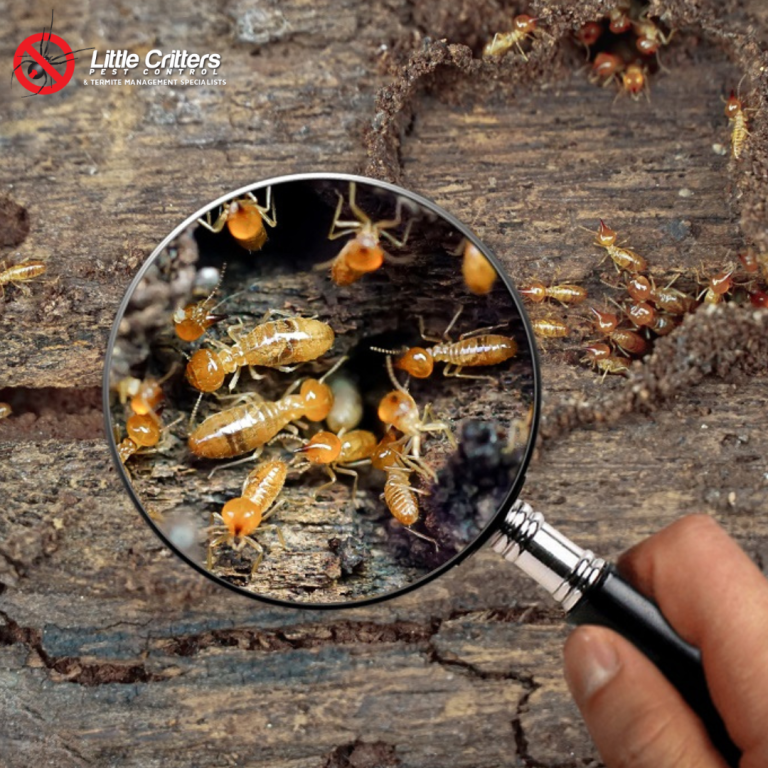
Termites: Alates (flying termites) swarm after rain, particularly in January. We see the most termite damage in properties between Buderim and Eumundi where there’s still significant bushland. Subterranean termites are extremely active, and a single colony can eat through structural timber in months.
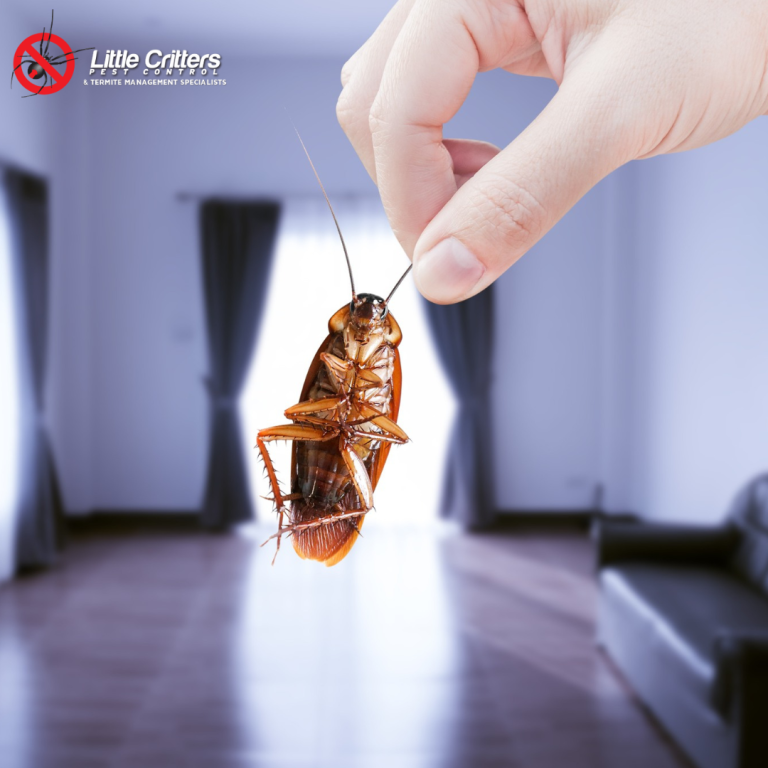
German Cockroaches: Thrive in the heat and humidity. We often find infestations starting in kitchens and bathrooms in townhouses and units around Maroochydore and Mooloolaba where close quarters and shared walls make spread easy.
Ants: Coastal brown ants invade en masse seeking water and food. Properties near Alexandra Headland and Coolum often see thousands of ants trailing inside within hours of a storm.
Mosquitoes: Our biggest nuisance pest. Aedes notoscriptus (common Australian mosquito) breeds in any standing water—think blocked gutters, pot plant saucers, kids’ toys left in the yard. Properties backing onto creeks or wetlands around Currimundi and Kawana need aggressive mosquito management.
Paralysis Ticks: A serious health risk for pets and children in hinterland suburbs like Montville, Maleny, and Mapleton. Peak season is October-January.
Our Recommendation:
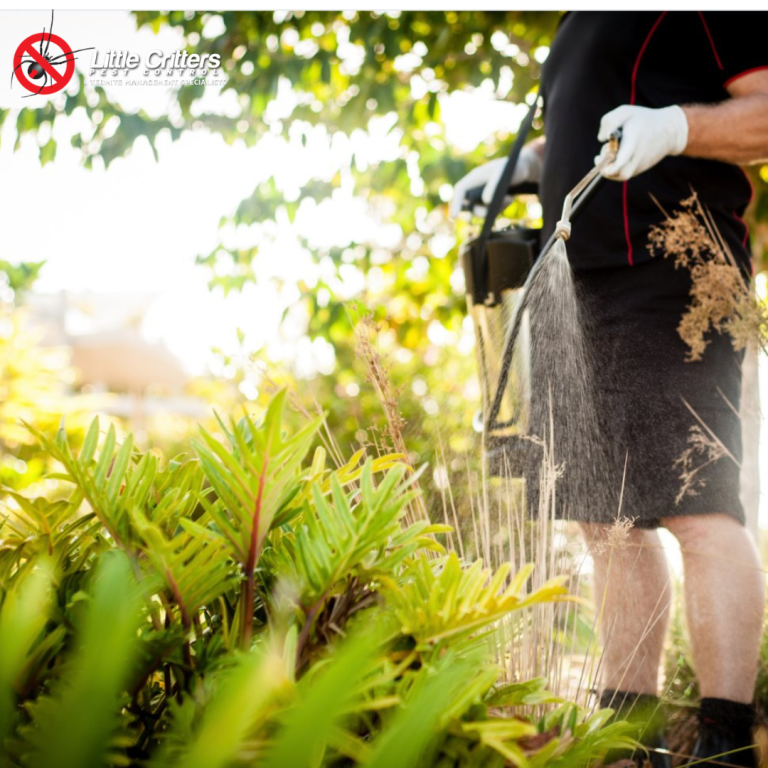
Schedule a comprehensive inspection and treatment in late November or early December, before the peak breeding period. We use a combination of:
- Perimeter barrier treatments (using products like Bifenthrin or Fipronil, approved for Queensland use)
- Internal treatments for existing infestations
- Termite monitoring system checks or full inspections
- Mosquito breeding site identification and treatment
Real Example: Last summer, a Buderim property owner called us in late December with a massive termite swarm. During inspection, we found active subterranean termites had already damaged roof trusses. If they’d scheduled their annual inspection in November as recommended, we would have caught it during the monitoring phase—saving them $18,000 in timber replacement.
Autumn (March – May): The Migration Indoors
What Changes:
As temperatures drop from the mid-30s to the low-20s, pests don’t disappear—they relocate. This is when we see the biggest spike in indoor infestations.
Rodents: March to May is critical for rodent prevention. Norway rats and bush rats start seeking indoor nesting sites in roof voids and wall cavities. Properties near Bli Bli, Yandina, and other areas with cane fields see significant rodent pressure as harvesting disturbs their habitat.
We’ve pulled dead rats from wall cavities in newly renovated homes because the owners didn’t realize rodents had moved in during autumn. The smell alone can make a house unliveable for weeks.
Spiders: Huntsman spiders, redbacks, and white-tailed spiders all move indoors. We treat a lot of properties around Peregian Springs and Coolum Beach where bushland proximity means high spider activity.
Silverfish: Love the cooling temperatures and will infest books, documents, and wardrobes. Common in older homes in Cotton Tree and Mooloolaba.
Our Recommendation:
Book an autumn preventative treatment in March focusing on:
- Roof void inspections and treatments for rodents (bait stations, proofing)
- External perimeter sprays before pests move in
- Spider web removal and residual treatments around eaves, windows, door frames
- Seal entry points (we check for gaps around pipes, vents, roof tiles)
Real Example: A Noosa Waters client ignored our March recommendation. By June, they had Norway rats in the roof void that chewed through electrical wiring, costing $3,200 in electrical repairs plus our treatment fee. A $350 preventative treatment in March would have stopped them.
Winter (June – August): The Quiet Season (But Not Pest-Free)
The Reality:
Many homeowners assume winter means no pests. Wrong. While activity decreases, the Sunshine Coast’s mild winter (rarely below 10°C overnight) means pests remain active.
What’s Still Active:
Termites: Despite the cooler weather, termite colonies remain active underground. They slow down but don’t stop. This is actually the best time for termite inspections because:
- Technicians can spot mudding and damage more easily without heavy foliage
- Treatment penetrates better in dry soil
- You’re ahead of the spring swarming season
Rodents: If they’re in your roof, they’re breeding. A single pair of rats can produce 50-60 offspring per year. Winter is when they’re most comfortable in your roof void.
German Cockroaches: Still active indoors, especially in heated environments like cafes, restaurants, and heated homes.
Our Recommendation:
Use winter for preventative maintenance and major treatments:
- Annual termite inspection (required by most insurance policies anyway)
- Rodent monitoring and treatment if evidence found
- Treatment of any persistent indoor cockroach issues
- Pre-spring preparation work
Winter treatments are often more effective because pests congregate in fewer areas, making targeted treatment easier.
Real Example: We inspected a Mountain Creek property in July and found early-stage termite activity in a garden retaining wall. Treatment was straightforward and inexpensive ($850). If we’d waited until spring when the colony was fully active, we would have needed a full termite barrier system ($3,500+).
Spring (September – November): Prevention is Everything
The Critical Window:
Spring is when the Sunshine Coast comes alive—and so do pests. September temperatures in the mid-20s trigger breeding cycles across multiple species.
What’s Emerging:
Termites: Flying termite season begins. Swarms after rain indicate nearby colonies. Homes in Sippy Downs, Forest Glen, and Tanawha (areas with eucalyptus trees) are high-risk.
Ants: Coastal brown ants, black house ants, and Argentine ants all become highly active. We see massive trailing activity around Coolum, Peregian, and Marcus Beach.
Mosquitoes: Breeding resumes. Properties with poor drainage, old boats, or bushland proximity need treatment.
Wasps and Bees: European wasps (an invasive species) become aggressive. Nests in roof eaves, garden sheds, and wall cavities pose stinging risks. We remove dozens of nests each spring around Nambour and the hinterland.
Carpet Beetles: Spring is when adult beetles emerge and lay eggs. They’ll infest wool carpets, clothing, and upholstery. Common in older homes around Buderim and Woombye.
Our Recommendation:
September is the most important treatment month of the year. This is when you prevent the summer explosion:
- Full perimeter and internal treatment
- Termite inspection and monitoring
- Ant colony treatment (not just surface sprays)
- Wasp nest removal
- Mosquito breeding site treatment
Real Example: A Maroochydore client scheduled their spring treatment in early September last year. We found and treated three ant colonies, removed a European wasp nest from their shed, and identified early termite activity near their deck. By November, their neighbours were dealing with massive infestations, and they were pest-free. Timing made all the difference.
Year-Round Protection: The Smart Approach
Based on treating over 10,000 Sunshine Coast properties, here’s what actually works:
The Quarterly Service Model
Most experienced pest controllers (including us) recommend treatments every 3 months:
Treatment 1 (September): Spring prevention—stop pests before they breed
Treatment 2 (December): Summer protection—maintain barriers during peak season
Treatment 3 (March): Autumn exclusion—prevent indoor migration
Treatment 4 (June): Winter check—termite inspection + rodent monitoring
Cost vs. Damage:
- Average quarterly service: $150-$200 per visit = $600-$800/year
- Average termite damage: $10,000-$15,000
- Average rodent electrical damage: $2,000-$5,000
- Health risks from disease-carrying pests: Priceless
What Professional Treatment Actually Includes
A proper Sunshine Coast pest treatment isn’t just “spray and go.” Here’s what we do (and what you should expect):
External Perimeter Treatment:
- Residual barrier spray (Bifenthrin or Fipronil-based products registered with APVMA)
- 1-meter band around the entire structure
- Treatment of eaves, door frames, window frames, weep holes
- Garden bed edges and fence lines
- Duration: 3-6 months depending on weather and pest pressure
Internal Treatment (when needed):
- Crack and crevice treatment for cockroaches
- Roof void dusting for spiders and wasps
- Baiting systems for ants and rodents
- Targeted treatment of wet areas (bathrooms, laundry, kitchen)
Termite Management:
- Visual inspection of subfloor, roof void, exterior
- Monitoring station checks (if installed)
- Identification of conducive conditions (timber in contact with soil, moisture issues, landscape mulch too close to walls)
- Recommendations aligned with Australian Standard AS 3660
Documentation:
- Treatment report (required for landlords and some insurance policies)
- Products used and application rates
- Safety data sheets (SDS) available on request
- Re-entry times (typically 2-4 hours for residual treatments)
- Follow-up schedule
Sunshine Coast-Specific Pest Challenges
Our local environment creates unique pest pressures:
Coastal Properties (Mooloolaba to Coolum)
- Salt air degradation: Breaks down residual treatments faster—may need 6-8 week re-treatment
- Sand movement: Termite barriers can be compromised by shifting sand
- Coastal brown ants: Massive colonies that trail hundreds of meters
- Moisture: High humidity encourages German cockroaches and silverfish
Hinterland Properties (Maleny, Montville, Mapleton)
- Paralysis ticks: Serious risk March-January
- European wasps: Aggressive in cooler areas
- Bushland termite pressure: Higher risk from surrounding eucalyptus trees
- Rodents: Bush rats and native rat species seeking food/shelter
- Possums: Protected species but can cause roof damage
Acreage and Rural (Yandina, Eumundi, Verrierdale)
- Agricultural pest spillover: Rodents from cane fields, fruit flies from orchards
- Wildlife attraction: Food sources attract rodents, snakes, and scavenger insects
- Large treatment areas: Cost-effective barrier treatments challenging
- Water sources: Dams, creeks, and irrigation encourage mosquitoes
New Estates (Aura, Harmony, Palmview)
- Construction disturbance: Termites displaced during building seek new homes
- Landscaping issues: Mulch, irrigation, garden beds create conducive conditions
- Shared walls (townhouses): Pest movement between properties
- Warranty requirements: Some builders require annual termite inspections
Choosing a Pest Controller: What Sunshine Coast Homeowners Should Ask
Not all pest control is equal. Here’s what to verify:
Licensing and Qualifications
- Queensland Health Pest Management Technician License (legally required—ask to see it)
- AEPMA membership (Australian Environmental Pest Managers Association)
- Public liability insurance (minimum $10 million)
- Professional indemnity insurance
Experience and Specialization
- “How long have you operated on the Sunshine Coast?” (Local knowledge matters)
- “Do you have termite accreditation?” (Termidor, Altriset, or similar systems)
- “What’s your warranty/guarantee?” (Most offer 3-6 months for general pests)
Treatment Approach
- “What products do you use?” (Should be APVMA-registered, low-toxicity where possible)
- “Do you offer pet-safe and child-safe options?” (Important for families)
- “What’s your re-entry time?” (Should be 2-4 hours for standard treatments)
- “Do you provide written reports?” (Essential for rentals and insurance)
Red Flags to Avoid
- ❌ Quotes without inspecting the property
- ❌ “Guaranteed to work forever” claims
- ❌ Unwilling to explain treatment methods
- ❌ Pressure to sign up immediately
- ❌ No license or insurance documentation
- ❌ Significantly cheaper than competitors (usually means cutting corners)
DIY vs. Professional: When to Call the Experts
DIY Can Work For:
- Minor ant trails (though you’re treating symptoms, not the colony)
- Single spider sightings
- Basic fly/mosquito prevention (removing standing water)
Always Use Professionals For:
- Termites (DIY termite treatment is illegal in Queensland without a license and voids insurance)
- Rodents in roof voids (baiting incorrectly leads to dead rats in inaccessible areas)
- German cockroach infestations (resistant to supermarket products)
- Wasp/bee nest removal (serious sting risk)
- Pre-purchase inspections (required for mortgage approval)
Frequently Asked Questions
How often do Sunshine Coast homes need pest control?
Based on our subtropical climate and pest pressure, we recommend quarterly treatments (every 3 months) for most residential properties. Acreage, hinterland homes, and properties with previous termite activity may need more frequent monitoring.
Is pest control safe for pets and children?
Yes, when applied correctly. We use products registered with the APVMA that have proven safety profiles. Standard re-entry time is 2-4 hours after treatment. We can also offer ultra-low-toxicity options (like botanical pyrethrins) for families with specific concerns, though these may require more frequent application.
Do I need pest control if I’ve never had pests?
Prevention is always cheaper than cure. Even if you haven’t seen pests, they may be present (termites cause damage invisibly for months). Regular inspections catch problems early. Plus, Sunshine Coast homes are constantly at risk from new infestations due to our climate.
What does a termite inspection include?
A full termite inspection to Australian Standard AS 3660 includes:
- Visual inspection of all accessible areas (subfloor, roof void, exterior)
- Moisture meter readings
- Sounding of timber for hollowness
- Monitoring station checks (if installed)
- Identification of conducive conditions
- Written report with photos
- Treatment recommendations if termites found
Inspections typically take 45-90 minutes depending on property size.
How much does pest control cost on the Sunshine Coast?
General pest treatment: $150-$250 for an average 3-4 bedroom house
Termite inspection: $250-$350
Termite treatment: $2,000-$4,500 (depending on method and property size)
Quarterly packages: $600-$900 per year
Prices vary based on property size, access, and pest severity.
Can I just treat when I see pests?
You can, but it’s more expensive long-term. By the time you see German cockroaches, the infestation is often severe (one visible cockroach usually means 100+ hiding). Reactive treatment costs more than preventative because we’re fighting an established infestation rather than maintaining a barrier.
What happens if pests come back after treatment?
Most reputable pest controllers offer a warranty (typically 3-6 months for general pests). If pests return within the warranty period, we retreat at no cost. This excludes new infestations from different sources or if conducive conditions weren’t addressed.
Take Action: Protect Your Sunshine Coast Home
The best time to schedule pest control was three months ago. The second-best time is today.
Whether you’re in a beachside unit in Alexandra Headland or a hinterland home in Montville, our subtropical climate means pest pressure is constant. The difference between a pest-free home and a costly infestation often comes down to timing.
Recommended Action Plan:
- If you haven’t had pest control in 6+ months: Book a full inspection and treatment immediately
- If you’re buying property: Schedule a pre-purchase pest and building inspection
- If you’re selling: A recent pest report adds value and confidence for buyers
- If you’re renting: Check your lease—many require annual pest reports
Request A Quote
Don’t wait until pests take over your home. Request a Quote today for professional, locally-focused pest control that understands the unique challenges of the Sunshine Coast.