What is the Hardest Pest to Get Rid Of? A Sunshine Coast Pest Controller’s Ranking
After 15 years treating pest infestations across the Sunshine Coast, I can tell you that not all pest problems are created equal. Some can be knocked out with a single treatment. Others? They’ll test your patience, your wallet, and your sanity.
The question “what is the hardest pest to get rid of?” doesn’t have a simple answer because “hardest” depends on what we’re measuring—treatment complexity, cost, time to eliminate, recurrence rate, or property damage potential. But if you force me to pick the absolute worst pest I deal with on the Sunshine Coast, there are two clear winners (or losers): termites for destruction potential and bed bugs for pure elimination difficulty.
Let me break down exactly why certain pests are nightmares to eliminate, what makes them so resilient, and what it actually takes to get rid of them based on thousands of treatments across local properties.
Table of Contents
- How We Rank Pest Difficulty
- The Hardest Pests to Eliminate: Ranked
- What Makes a Pest “Hard to Eliminate”?
- Why DIY Usually Fails for Tough Pests
- The Professional Approach to Difficult Pests
- Frequently Asked Questions
- Get Professional Help
How We Rank Pest Difficulty
Before we dive into the ranking, here’s how I’m measuring “difficulty to eliminate”:
1. Detection Difficulty – How hard is it to find them?
2. Treatment Complexity – How many visits/methods are required?
3. Cost to Eliminate – What’s the financial investment?
4. Time to Full Elimination – How long until they’re completely gone?
5. Recurrence Rate – How likely are they to come back?
6. DIY Success Rate – Can homeowners handle this themselves?
7. Damage Potential – What’s at stake if treatment fails?
Each pest has different challenges, and on the Sunshine Coast, our subtropical climate makes already-difficult pests even worse.
The Hardest Pests to Eliminate: Ranked
1. Termites – The Silent Destroyers
Difficulty Rating: 10/10
Average Cost to Treat: $2,500 – $5,000+
Time to Eliminate: 3-12 months
DIY Success Rate: 0% (illegal in Queensland without a license)
Why They’re the Hardest:
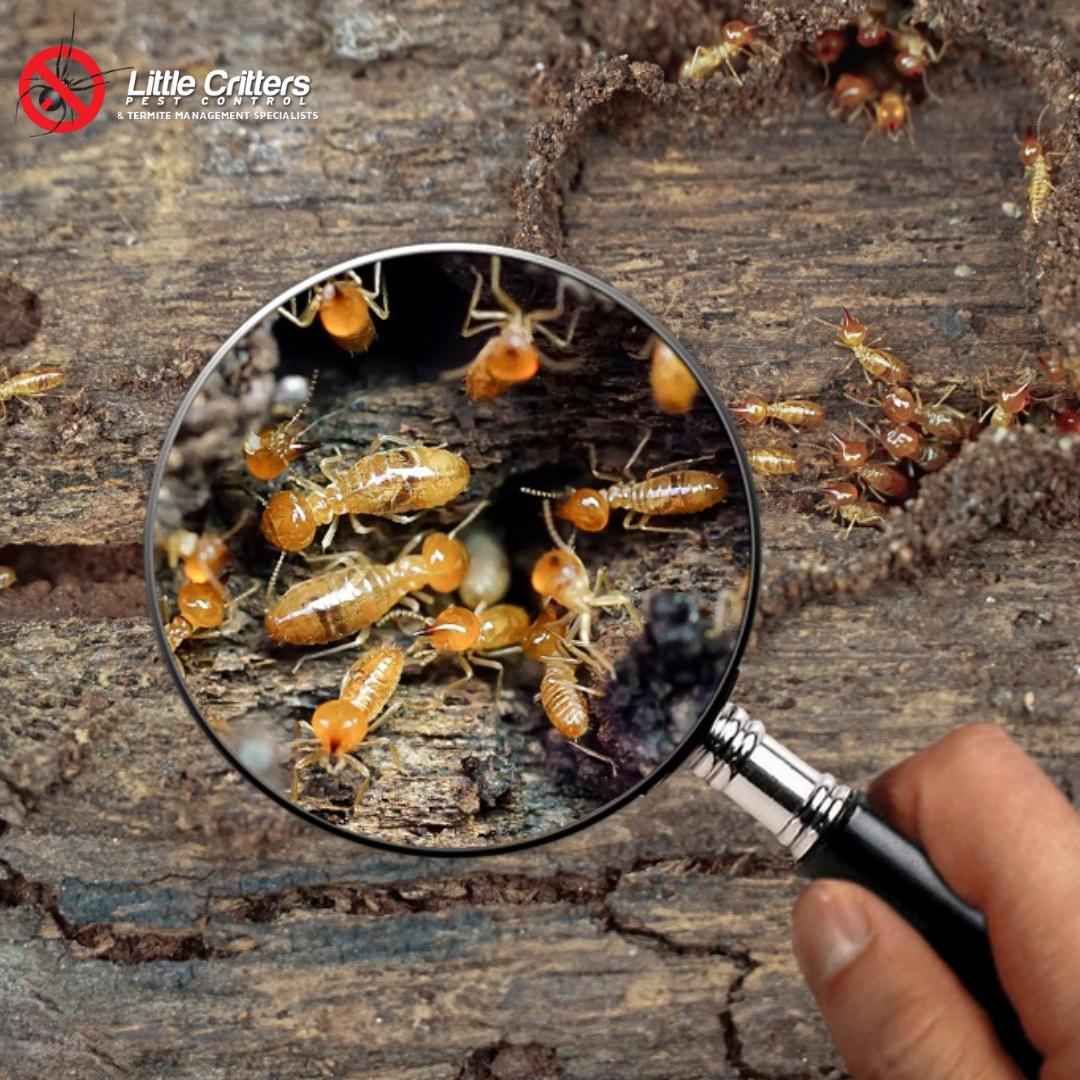
Termites win the “hardest pest” award for one simple reason: by the time you know you have them, they’ve often already caused thousands of dollars in structural damage. I’ve inspected homes in Buderim and Eumundi where termites had been silently eating roof trusses for 2+ years before anyone noticed.
Detection Challenges:
- Termites work inside timber and underground, completely invisible until damage is severe
- Colonies can contain millions of termites located hundreds of meters from your home
- Mud tubes can be hidden in wall cavities, subfloors, and roof voids
- Signs like hollow-sounding timber or sagging floors appear only after extensive damage
Treatment Complexity:
Treating termites isn’t a one-and-done spray job. Here’s what’s actually involved:
Step 1: Professional Inspection ($250-$350)
Full inspection to Australian Standard AS 3660 including thermal imaging, moisture meters, and physical inspection of all accessible areas. Takes 1-2 hours for an average house.
Step 2: Species Identification
We collect samples to identify the termite species. On the Sunshine Coast, we primarily see:
- Coptotermes (most destructive – found in 70% of our termite jobs)
- Schedorhinotermes (common in hinterland properties)
- Nasutitermes (less destructive but still problematic)
Step 3: Treatment Implementation
We use two main approaches on the Sunshine Coast:
Chemical Soil Barrier ($2,500-$4,500):
- Drill and inject termiticide (Termidor, Altriset) into soil around entire perimeter
- Creates a treated zone that kills termites on contact
- Requires drilling through concrete slabs, pathways, driveways (we patch afterward)
- Protection lasts 5-8 years in our soil conditions
Baiting System ($3,000-$5,000+):
- Install monitoring stations around property perimeter
- Check monthly until termite activity detected
- Replace monitors with bait stations containing growth inhibitor
- Termites feed, take bait back to colony, colony collapses over 8-12 weeks
- More expensive due to ongoing monitoring but less invasive
Step 4: Ongoing Monitoring
Annual inspections are mandatory under most insurance policies and Australian Standards. Cost: $250-$350/year.
Why Treatment Is So Difficult:
- You’re not just killing visible termites—you need to eliminate the entire colony (which you can’t see)
- Colonies can be 100+ meters away underground in tree stumps or old timber
- Termites can find gaps as small as 2mm in chemical barriers
- Our sandy Sunshine Coast soil allows termite movement and can compromise barriers
- Multiple colonies can attack the same property simultaneously
Real Example: Last year we treated a Mountain Creek property where termites had damaged ceiling joists so badly the roof was sagging. The homeowner thought it was “just some water damage.” Total repair cost: $22,000. If they’d done their annual inspection, we would have caught it early and treatment would have been under $3,000.
Sunshine Coast Factors:
- Year-round termite activity (no winter dormancy like southern states)
- High humidity accelerates timber damage
- Proximity to bushland (Buderim, Eumundi, hinterland) = higher termite pressure
- Eucalyptus trees in yards = termite attractants
2. Bed Bugs – The Comeback Champions
Difficulty Rating: 9.5/10
Average Cost to Treat: $800 – $2,500
Time to Eliminate: 4-8 weeks (multiple treatments)
DIY Success Rate: <5%
Why They’re Nearly Impossible:
If termites are hard because of detection and damage, bed bugs are hard because they’re masters of survival. I’ve had clients in Noosa and Mooloolaba who’ve spent thousands trying DIY treatments before finally calling us, only to discover the infestation was 10x worse than when they started.
What Makes Bed Bugs So Resilient:
1. Survival Abilities:
- Can survive 12+ months without feeding (so vacating your home doesn’t work)
- Resistant to most over-the-counter pesticides
- Hide in cracks as thin as a credit card (mattress seams, bed frames, electrical outlets, picture frames)
- Reproduce rapidly: 1 female = 200-500 eggs in her lifetime
2. Detection Difficulty:
- Only 1-2mm long when newly hatched (nearly invisible)
- Nocturnal and hide during daylight
- Often misidentified as mosquito bites or other issues
- By the time you see them, infestation is usually severe
Professional Treatment Protocol:
Bed bugs require the most labor-intensive treatment of any pest we deal with:
Visit 1 – Heat Treatment ($800-$1,500):
- We bring industrial heaters that raise room temperature to 50-55°C
- Maintain temperature for 4-6 hours (kills all life stages including eggs)
- Most effective single treatment method
- Problem: Expensive equipment, can’t treat entire house at once in larger properties
Visit 2 – Chemical Treatment (2 weeks later):
- Apply residual insecticide to all potential harbourage areas
- Treat mattresses, bed frames, wardrobes, skirting boards, electrical outlets
- Use dust formulations in wall voids and cracks
Visit 3 – Follow-up (4 weeks after initial):
- Inspect for any surviving bed bugs or new eggs hatching
- Re-treat if any activity detected
Client Preparation Required (Critical):
- Strip all bedding and wash/dry on high heat
- Remove clutter from bedrooms
- Vacuum thoroughly (dispose of vacuum bag immediately)
- Seal infested items in plastic bags
Why DIY Fails:
- Supermarket sprays don’t penetrate harbourage areas
- Bombs/foggers make them scatter to new areas of the house
- Eggs are pesticide-resistant (must kill with heat or wait for hatch and retreat)
- Missing even 1 pregnant female = re-infestation
Real Example: A Coolum Beach holiday rental called us after guests complained about bites. The owner had tried DIY sprays for 2 months. When we inspected, we found bed bugs in 3 of 4 bedrooms—they’d spread from the original infestation. Heat treatment + 2 chemical follow-ups cost $2,200 but finally eliminated them. The owner lost $8,000+ in booking cancellations during that period.
3. German Cockroaches – The Resistance Fighters
Difficulty Rating: 8/10
Average Cost to Treat: $350 – $800
Time to Eliminate: 3-6 weeks
DIY Success Rate: 10-15%
Why They’re Different from Other Cockroaches:
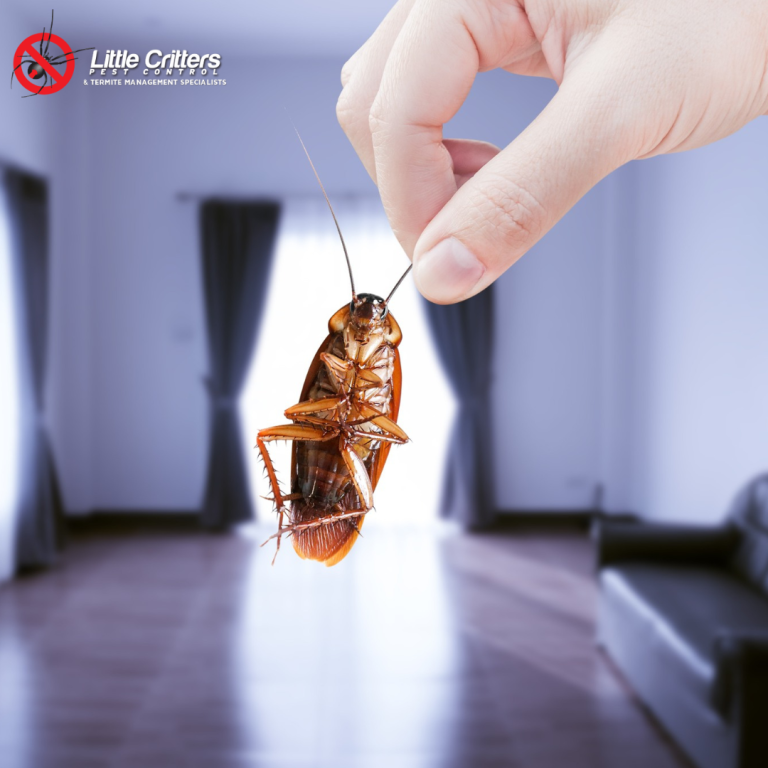
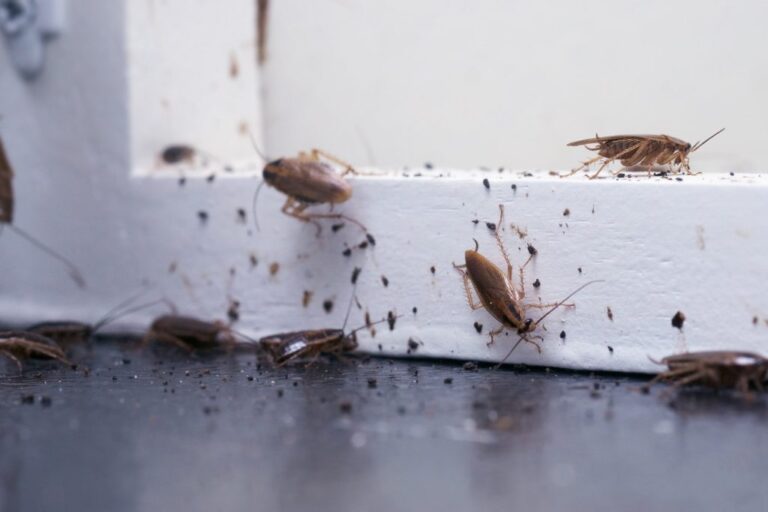
We deal with several cockroach species on the Sunshine Coast (American, Australian, Oriental), but German cockroaches are in a league of their own. While other roaches live primarily outdoors and wander inside, Germans establish breeding populations INSIDE your home and are incredibly hard to eliminate.
What Makes German Cockroaches Difficult:
1. Reproduction Speed:
- Female carries egg capsule until 1-2 days before hatching (protects eggs from pesticides)
- Each capsule = 30-40 nymphs
- Lifecycle: egg to adult in 36 days
- 1 female can produce 300-400 offspring in her lifetime
- If you see 1, you likely have 100+
2. Pesticide Resistance:
- German cockroaches have developed resistance to pyrethroids (most common DIY sprays)
- Some populations avoid bait stations through learned behavior
- Requires rotation of chemical classes (we use organophosphates, insect growth regulators, and non-repellent formulations)
3. Harbourage Habits:
- Live in tight cracks and crevices (behind ovens, fridges, dishwashers)
- Prefer warm, humid areas near food and water (kitchens, bathrooms)
- Can fit through gaps as small as 1.6mm
- Spread via shared walls in units/townhouses
Professional Treatment Approach:
Visit 1 – Assessment & Initial Treatment:
- Identify all harbourage areas using flashlight and inspection mirror
- Apply gel baits in 50-100 spots throughout kitchen/bathrooms
- Dust formulation in wall voids, behind appliances, electrical outlets
- Residual spray in cracks/crevices (NOT surface sprays—these repel roaches from bait)
- Apply insect growth regulator (IGR) to stop reproduction
Visit 2 – Follow-up (2-3 weeks later):
- Inspect for activity
- Reapply bait as needed
- Treat any new harbourage areas discovered
Client Responsibilities:
- Deep clean kitchen (remove grease, food debris)
- Store all food in sealed containers
- Fix leaking taps (water sources)
- Don’t use surface sprays (interferes with our bait program)
Sunshine Coast Challenges:
- High humidity = perfect breeding conditions year-round
- Townhouses and units in Maroochydore, Mooloolaba = shared wall infestations
- Older homes in Cotton Tree, Alexandra Headland with poor seals
Real Example: A Maroochydore unit owner battled German cockroaches for 6 months with supermarket sprays. When we arrived, we found a severe infestation (200+ roaches behind the fridge alone). The sprays had made them scatter throughout the unit and become wary of bait. We used a combination treatment: IGR, gel bait in 80+ locations, and dust in wall voids. Follow-up 3 weeks later showed 95% reduction. Final visit at 6 weeks: infestation eliminated. Cost: $650 total.
4. Rodents (Rats & Mice) – The Intelligent Evaders
Difficulty Rating: 7.5/10
Average Cost to Treat: $400 – $1,200
Time to Eliminate: 2-6 weeks
DIY Success Rate: 20-30%
Why Rodents Are Challenging:
Rodents are problem-solvers. They learn, adapt, and avoid threats. On the Sunshine Coast, we primarily deal with Norway rats, roof rats (black rats), and house mice. Each has different behaviors, but all are intelligent enough to make elimination difficult.
Intelligence & Learning:
- Neophobic (fear of new objects) – will avoid new traps/bait stations for days or weeks
- Learn from watching other rodents—if one dies from bait, others may avoid it
- Can develop bait shyness (eat small amount, feel sick, avoid that bait forever)
- Memorize territory and can navigate in complete darkness
Reproduction Rate:
- Norway rats: 8-12 pups per litter, 4-7 litters per year
- Mice: 6-8 pups per litter, 5-10 litters per year
- Sexual maturity at 6-8 weeks
- You can go from 2 rats to 50+ in 3-4 months
Physical Abilities:
- Rats can squeeze through holes the size of a quarter (2.5cm)
- Mice through holes the size of a 10c coin (1.2cm)
- Excellent climbers (roof rats can access second-story roof voids easily)
- Gnaw through wood, plastic, soft metals, electrical wiring
Professional Treatment Protocol:
Step 1: Inspection & Entry Point Identification
- Check roof void, subfloor, exterior for evidence (droppings, gnaw marks, rub marks, runs)
- Identify entry points (gaps around pipes, vents, damaged roof tiles, weep holes)
- Assess food sources (fruit trees, compost, pet food, bird seed)
Step 2: Baiting Strategy
- Install tamper-proof bait stations in roof void, subfloor, exterior
- Use second-generation anticoagulants (Brodifacoum, Bromadiolone)
- Place bait along rodent runs and near entry points
- Check/replenish weekly until consumption stops
Step 3: Trapping (if needed)
- For severe infestations or where baiting isn’t practical
- Snap traps along walls/runs (rodents follow edges, not open spaces)
- Trigger-sensitive traps pre-baited but not set for 3-4 days (reduce neophobia)
Step 4: Exclusion & Proofing
- Seal entry points with steel wool, expandable foam, metal mesh
- Install rodent-proof vent covers
- Trim tree branches away from roofline
- This step is critical—without exclusion, new rodents will move in
The Dead Rodent Problem:
One major challenge with rodent control: they often die in inaccessible areas (wall cavities, subfloor). Decomposition smell can last 2-3 weeks. We try to minimize this by:
- Placing bait stations outside when possible (rodents exit to find water after consuming)
- Using desiccant baits that reduce smell
- Offering odor neutralizer if death occurs in wall
Sunshine Coast Specific Challenges:
- Cane harvesting (Bli Bli, Yandina area) displaces rodents into homes April-June
- Fruit trees (mango, avocado) provide year-round food sources
- Older Queenslander-style homes with large roof voids = ideal rodent habitat
- Coastal properties: Norway rats thrive near water sources
Real Example: A Buderim client heard scratching in their roof for months. They’d tried 3 different DIY traps with no success. We inspected and found Norway rats using a gap where a pipe entered the wall. We installed 8 bait stations in the roof void, 4 exterior stations, and sealed 12 entry points. Bait consumption stopped after 2 weeks. We removed stations at week 4 after confirming no new activity. Total cost: $850 including exclusion work. No more scratching.
5. Fleas – The Lifecycle Survivors
Difficulty Rating: 7/10
Average Cost to Treat: $300 – $600
Time to Eliminate: 2-4 weeks
DIY Success Rate: 25-35%
Why Fleas Are Frustrating:
Fleas aren’t hard to kill—individual fleas die easily with insecticides. The problem is the lifecycle. When you’re treating adult fleas, there are eggs, larvae, and pupae hiding in your carpet that you can’t touch with pesticides.
The Flea Lifecycle Challenge:
Egg Stage (50% of infestation):
- Female lays 40-50 eggs per day
- Eggs fall off pet into carpet, bedding, furniture
- Hatch in 2-12 days depending on temperature
Larva Stage (35% of infestation):
- Live deep in carpet fibers, cracks, under furniture
- Feed on organic debris and adult flea feces
- Develop over 5-11 days
Pupa Stage (10% of infestation):
- Spin protective cocoon
- Completely resistant to insecticides (nothing can kill them at this stage)
- Can remain dormant for months until vibration/heat/CO2 triggers emergence
- This is why you can treat a house and still see fleas 2-3 weeks later
Adult Stage (5% of infestation):
- The only stage you actually see
- Easy to kill with insecticides
Professional Treatment Protocol:
Treatment 1: Initial Knockdown
- Treat all carpeted areas, rugs, upholstered furniture with adulticide + IGR (insect growth regulator)
- IGR stops larvae from developing into adults (breaks lifecycle)
- Pay special attention to pet sleeping areas
- Treat yard/outdoor areas where pet spends time
Treatment 2: Follow-up (2-3 weeks later)
- Pupae that were resistant to first treatment have now emerged
- Retreat to kill newly emerged adults
- This second treatment is essential—skipping it is why DIY often fails
Critical Client Requirements:
- Treat all pets with vet-approved flea treatment on same day as house treatment
- Vacuum thoroughly before treatment (stimulates pupae to emerge)
- Wash all pet bedding in hot water
- Continue vacuuming daily for 2 weeks after treatment (vibration triggers emergence)
- Keep pets on preventative flea treatment ongoing
Why DIY Usually Fails:
- Treat house but not the pet (re-infestation within days)
- Don’t do follow-up treatment (pupae emerge after first treatment wears off)
- Surface-only treatment (larvae live deep in carpet fibers)
- Don’t treat outdoor areas where pet picks up new fleas
Real Example: A Peregian Beach client with 2 dogs called us after 6 weeks of DIY flea bombs and sprays weren’t working. Inspection showed severe infestation in lounge room and bedrooms. We did a comprehensive treatment (inside + outside) and they treated both dogs the same day. Explained they’d see some fleas for 2 weeks as pupae emerged. Follow-up treatment at week 3 eliminated remaining population. Cost: $480 for both treatments. They’re now flea-free and keep dogs on monthly preventative.
6. Coastal Brown Ants – The Endless Army
Difficulty Rating: 6.5/10
Average Cost to Treat: $250 – $500
Time to Eliminate: 1-6 weeks
DIY Success Rate: 40%
Why Coastal Ants Are a Sunshine Coast Nightmare:
Coastal brown ants deserve special mention because they’re THE dominant ant species on the Sunshine Coast and drive homeowners crazy with their persistence. They’re not as difficult to eliminate as the pests above, but their sheer numbers and rapid re-infestation make them frustrating.
What Makes Them Challenging:
Colony Size:
- Super-colonies with multiple queens and interconnected nests
- Can contain millions of ants across hundreds of meters
- Nests in garden beds, under pavers, in wall cavities, tree stumps
Behavior:
- Extremely attracted to moisture (swarm after rain)
- Form trails thousands strong within hours
- Split colonies when threatened (making them harder to eliminate)
Treatment Approach:
Coastal ants require colony elimination, not just killing the ants you see:
- Apply non-repellent insecticide to nests and trails (ants carry it back to colony)
- Use gel/granular baits near entry points
- Perimeter barrier treatment to prevent new trails
- May require follow-up if super-colony is massive
Properties in Coolum, Peregian, Alexandra Headland, and Marcus Beach are especially prone due to sandy soil and coastal proximity.
What Makes a Pest “Hard to Eliminate”?
Looking at our top pests, several factors make them difficult:
1. Hidden Colonies/Nests
Termites, ants, and rodents have nests you can’t see or access. You’re not treating individual pests—you’re trying to eliminate an entire population that’s hidden.
2. Protected Life Stages
Bed bugs and fleas have eggs/pupae that are insecticide-resistant. German cockroach females protect egg capsules. This means you need multiple treatments to break the lifecycle.
3. Rapid Reproduction
All these pests breed faster than you can kill them with casual DIY efforts. Miss even a few individuals and you’re back at square one in weeks.
4. Behavioral Adaptations
Rodents learn and avoid traps. German cockroaches develop pesticide resistance. These aren’t static targets—they adapt to your treatment methods.
5. Environmental Factors
The Sunshine Coast’s warm, humid climate means year-round breeding, no winter die-off, and perfect conditions for re-infestation from neighboring properties or bushland.
Why DIY Usually Fails for Tough Pests
I’m not anti-DIY for simple pest problems. But for the pests ranked above, here’s why homeowners struggle:
1. Wrong Products
- Supermarket sprays are repellent (push pests away rather than kill colonies)
- Bombs scatter pests throughout the house
- Baits without IGR don’t break lifecycles
2. Incomplete Treatment
- Treat visible symptoms but not hidden nests/colonies
- Don’t follow up after initial treatment (eggs/pupae survive)
- Miss entry points and conducive conditions
3. Misidentification
- German cockroaches treated like American cockroaches (completely different biology)
- Roof rats vs Norway rats need different bait placements
- Different termite species require different treatments
4. Safety Issues
- Over-application of pesticides (health risk)
- Rodent bait accessible to pets/children
- Mixing incompatible chemicals
5. Making It Worse
- Repellent sprays scatter German cockroaches from kitchen to whole house
- Incorrect rodent baiting leads to dead rats in walls
- Partial bed bug treatments spread infestation to new rooms
The Professional Approach to Difficult Pests
Here’s what professional pest controllers do differently:
Proper Identification
- Species-level ID changes treatment approach
- Understand pest biology, behavior, lifecycle
Integrated Pest Management (IPM)
- Combine chemical, physical, and cultural controls
- Address conducive conditions (moisture, food sources, entry points)
- Don’t just kill pests—prevent re-infestation
Professional-Grade Products
- Access to non-repellent insecticides
- Second-generation anticoagulants for rodents
- IGR formulations for lifecycle disruption
- Termite-specific termiticides and monitoring systems
Proper Application Methods
- Crack and crevice treatments (not wasteful surface sprays)
- Strategic bait placement based on pest behavior
- Correct mixing ratios and application rates
Follow-up & Monitoring
- Scheduled re-treatments to break lifecycles
- Inspection for conducive conditions
- Warranty/guarantee with free re-service if needed
Documentation & Compliance
- Treatment reports (required for rentals, insurance)
- Compliance with Australian Standards (AS 3660 for termites)
- Safety Data Sheets for all products used
Frequently Asked Questions
What is the absolute hardest pest to get rid of?
For structural damage and detection difficulty: termites. For pure elimination challenge: bed bugs. Both require professional treatment and have near-zero DIY success rates.
Why do pests keep coming back after treatment?
Usually because: (1) Treatment only killed adults, not eggs/larvae/pupae, (2) Entry points weren’t sealed, (3) Conducive conditions (food, water, shelter) weren’t addressed, (4) Neighboring properties have infestations that spread, or (5) DIY products were repellent and scattered pests rather than eliminating colonies.
How long does professional pest treatment last?
Depends on the pest and treatment:
- General pest barrier: 3-6 months
- Termite barrier: 5-8 years (with annual inspections)
- Rodent treatment: Until entry points are sealed (otherwise new rodents enter)
- Bed bugs: 6-12 months if treated successfully
- Fleas: Permanent if pet remains on preventative
Can I treat termites myself?
No. In Queensland, termite treatment requires a licensed pest controller. DIY termite treatment is illegal and voids your home insurance. The risk is too high—average termite damage is $10,000-$15,000 and improper treatment can make the problem worse by causing termites to spread or hide.
How much does it cost to eliminate a severe pest infestation?
Sunshine Coast pricing (2026):
- Termites: $2,500 – $5,000+
- Bed bugs: $800 – $2,500
- German cockroaches: $350 – $800
- Rodents: $400 – $1,200 (including exclusion work)
- Fleas: $300 – $600 (2 treatments)
Severe infestations or larger properties cost more. But compare this to damage costs: termite damage averages $10,000-$15,000, rodent electrical damage $2,000-$5,000.
Do I need to leave my home during pest treatment?
Depends on treatment method:
- General pest spray: 2-4 hours
- Rodent baiting: No evacuation needed (stations are locked)
- Bed bug heat treatment: 6-8 hours
- Termite treatment: Usually no evacuation
- Fumigation (rare): 24-48 hours
Why are some pest control companies so much cheaper?
Red flags for abnormally cheap pest control:
- Unlicensed technicians
- Using cheap, ineffective products
- Surface-only treatment (doesn’t reach pests)
- No follow-up or warranty
- No insurance (you’re liable if something goes wrong)
Professional pest control costs more because we use commercial-grade products, licensed technicians, proper application methods, and stand behind our work with warranties.
Get Professional Help for Difficult Pests
If you’re dealing with termites, bed bugs, German cockroaches, rodents, fleas, or persistent ant infestations on the Sunshine Coast, don’t waste time and money on DIY treatments that won’t work. These pests require professional expertise, commercial-grade products, and proper treatment protocols.
Why Choose Little Critters Pest Control:
- 15+ years treating Sunshine Coast properties (we know local pest challenges)
- Licensed Queensland Pest Management Technicians
- AEPMA members with specialist termite accreditations
- Warranty on all treatments
- Upfront pricing—no hidden fees
- Same-day service available for emergencies
Request A Quote
Don’t let difficult pests damage your home or disrupt your life. Request a Quote today for professional pest elimination that actually works.