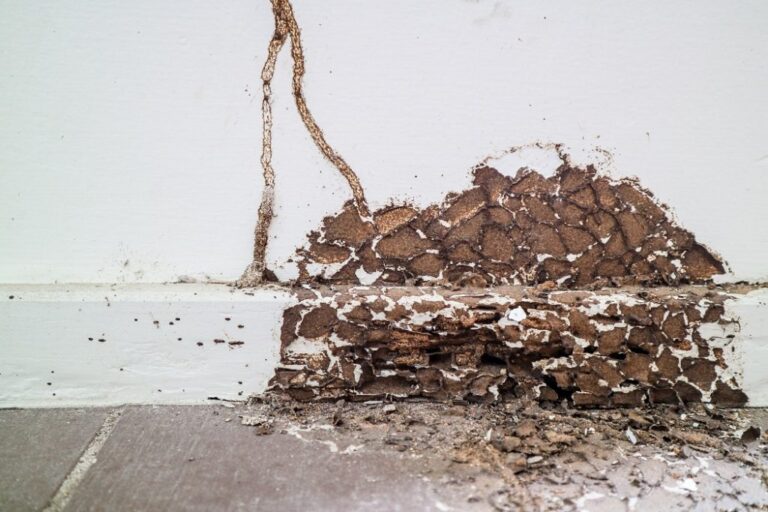
Why Sunshine Coast Homes Get More Termites Than Brisbane

After 15 years inspecting and treating properties across Southeast Queensland, I’ve noticed something that always surprises new Sunshine Coast homeowners: termite pressure here is significantly higher than what we see in Brisbane. It’s not just my observation. The data from thousands of inspections shows that coastal properties from Noosa to Caloundra consistently deal with more aggressive termite activity than homes just 100 kilometres south in the city.
Table of Contents
- Why This Matters to Sunshine Coast Homeowners
- The Humidity Factor: Termites Love Our Coastal Moisture
- Sandy Coastal Soil vs Brisbane Clay
- Timber Construction and Building Patterns
- Living Next to Prime Termite Territory
- How Different Property Types Are Affected
- Protecting Your Coastal Home: What Actually Works
- Frequently Asked Questions
- Take Action: Schedule Your Inspection
Why This Matters to Sunshine Coast Homeowners
If you own property on the Sunshine Coast, you need to understand that you’re playing a different game when it comes to termite protection. The strategies that might work reasonably well for a Brisbane suburban home often fall short up here. Our coastal environment creates perfect conditions for termites to thrive year-round, and ignoring that reality can cost you tens of thousands in repairs.
The average termite damage claim in Queensland sits around $10,000 to $15,000, but I’ve seen Sunshine Coast properties where the bill exceeded $30,000 because the infestation went undetected for too long. The coastal humidity masks some of the early warning signs that would be obvious in Brisbane’s drier climate.
Understanding why we face higher termite pressure helps you make smarter decisions about protecting your investment. Let’s break down exactly what makes the Sunshine Coast such prime termite territory.
The Humidity Factor: Termites Love Our Coastal Moisture
The single biggest difference between the Sunshine Coast and Brisbane comes down to moisture. Termites need three things to survive: timber, moisture, and warmth. Our coastal climate delivers all three in abundance.
Brisbane’s average annual humidity hovers around 65%, while the Sunshine Coast consistently runs 5 to 10 percent higher, particularly in suburbs close to the ocean like Mooloolaba, Alexandra Headland, and Cotton Tree. That might not sound like much on paper, but it’s the difference between termites merely surviving versus actively thriving.
Year-Round Activity
Our sea breezes carry moisture inland throughout the year, creating persistent humidity even in elevated areas like Buderim and Montville. This constant moisture means termites can establish colonies more easily and stay active twelve months a year. In Brisbane, you get more seasonal variation. Their drier winter months genuinely slow termite activity down. Up here on the coast, winter barely makes a dent.
I’ve inspected homes in Tewantin and Noosaville where termites remained highly active through July and August, months when Brisbane properties typically see a significant lull. The coastal moisture keeps the timber in your walls and subfloor at the perfect moisture content for termite feeding. They don’t need to work hard to find suitable conditions, which means they can focus their energy on consuming your house.
Waterway Proximity
Properties near waterways face even more intense risk. If your home sits anywhere near the Noosa River, Maroochy River, or the canal systems in Mooloolaba and Kawana Waters, you’re dealing with localized humidity levels that termites absolutely love. The combination of river proximity and ocean influence creates what I call termite paradise conditions.
Real Example: Last year I inspected a beautiful canal-front home in Mooloolaba. The owners thought they were safe because the property was only five years old. We found active subterranean termites in the garage wall cavity and tracked them back to a colony under their timber deck. The constant moisture from the canal and lawn irrigation had created perfect conditions. Treatment cost $2,800, but if they’d waited another six months, we would have been looking at structural timber replacement costing $15,000+.
Sandy Coastal Soil vs Brisbane Clay
The ground under your house makes more difference than most people realize. Sunshine Coast soil composition is fundamentally different from Brisbane’s, and termites have adapted to exploit it brilliantly.
Sandy Soil Advantages (For Termites)
Much of the Sunshine Coast sits on sandy soil with relatively low clay content. This is particularly true in beachside suburbs like Coolum, Peregian Beach, and anywhere along the coastal strip from Caloundra to Noosa. Sandy soil drains quickly, which sounds like it would be bad for termites. But here’s the thing: it also allows them to tunnel incredibly easily.
Termites can move through sandy soil almost like water, creating extensive underground networks that connect multiple food sources across large distances. I’ve seen termite nests in Maroochydore that extended 50 to 60 meters from the central colony, with tunnels radiating in every direction like an underground highway system.
Brisbane’s Clay Barrier
Brisbane, by contrast, has significantly more clay-based soil, especially in the western suburbs. Clay is dense and much harder for termites to tunnel through. It also retains moisture differently, creating less consistent conditions for colony establishment. When termites encounter heavy clay, they have to work around it or squeeze through existing cracks and gaps. In sand, they just tunnel wherever they want to go.
The same size colony that might spread 25 meters in Brisbane clay can spread twice that distance in our coastal sand before the soil becomes too difficult to work with.
Chemical Barrier Challenges
The sandy soil also affects how chemical termite barriers perform. Termiticides applied in sandy soil can disperse unevenly or wash through more quickly during our heavy rainfall events. This doesn’t mean barriers don’t work on the coast—they absolutely do—but it does mean they need to be applied more carefully and potentially renewed more frequently than inland properties.
When we apply chemical barriers in Noosa or Coolum, we adjust our application rates and techniques specifically for sandy coastal soil. It’s not something you can just spray and forget about.
Timber Construction and Building Patterns
The Sunshine Coast has a much higher concentration of timber construction than Brisbane, and it’s not just about the classic Queenslanders you see in Tewantin and Eumundi, though we certainly have plenty of those.
Historical Building Preferences
Many coastal homes built through the 60s, 70s, and 80s used more timber framing and flooring than equivalent Brisbane builds from the same period. Developers and builders recognized that timber handled our coastal humidity and salt air better than some alternatives at the time. It was also readily available from local mills in places like Pomona and Gympie.
The result is thousands of homes with extensive timber components that termites can potentially access. Even properties that look modern on the outside often have significant timber framing that’s vulnerable if termites breach the perimeter.
Lifestyle Timber Features
Beyond the main structure, coastal homes tend to incorporate more timber decking, pergolas, and outdoor entertainment areas than Brisbane properties. These aren’t just aesthetic choices. They’re responses to our lifestyle and climate. We live outdoors more, we entertain outside more, and we want those beautiful timber decks and covered areas.
The problem? Every timber deck in direct contact with the ground or supported by timber posts is a potential termite entry point to your main structure. I’ve honestly lost count of how many Noosa Heads and Peregian Beach homes have gorgeous timber decks that became termite highways straight into the house.
Real Example: Beautiful property in Sunshine Beach with a stunning wraparound timber deck. The deck posts were in ground contact (no longer code-compliant, but this was built in 1998). Termites established in the deck supports, fed there happily for maybe 18 months, then followed the timber straight into the external walls. By the time the owners noticed sagging floorboards inside, the infestation had spread throughout their entire subfloor. The deck alone cost $12,000 to replace with termite-resistant materials. The subfloor repairs added another $8,000.
Brisbane’s Modern Construction
Brisbane homes, particularly in newer developments over the past 20 years, lean much more heavily toward concrete slab construction with steel framing. This isn’t because Brisbane builders are inherently smarter about termites. It’s because the development patterns and building economics evolved differently in the city.
The unintended consequence is better natural termite resistance in many Brisbane properties. A concrete slab with steel frame doesn’t eliminate termite risk—they’ll still attack any timber they find—but it does reduce the number of access points significantly.
Living Next to Prime Termite Territory
The Sunshine Coast’s natural bushland and waterways create more prime termite habitat in closer proximity to residential areas than you’ll typically find in Brisbane. Drive through suburbs like Doonan, Cooroy, Verrierdale, or Pomona and you’ll see homes literally surrounded by bushland. That’s absolutely beautiful for lifestyle and one of the main reasons people move here. But it also means you’re living right next to established termite colonies.
No Property Boundaries for Termites
Termites don’t recognize where bushland ends and your property begins. A healthy colony in the reserve behind your Noosa Hinterland home will happily extend its foraging territory to include your house if conditions are suitable. We routinely track termite activity from bush reserves into homes 30 to 40 meters away.
Brisbane has bushland too, obviously. But the city’s much larger urban footprint means more homes are naturally buffered from wilderness termite habitat by other developments, roads, and cleared areas. On the Sunshine Coast, our collective desire to preserve the natural environment (which I fully support) means we’ve intentionally kept more trees and native vegetation close to housing.
That’s generally a wonderful thing for the environment and our quality of life. But it does create higher termite pressure that requires active management.
Ecological Balance
The Noosa Biosphere and surrounding conservation areas support healthy termite populations that perform genuinely important ecological functions. They break down dead timber, cycle nutrients back into the soil, and support the forest ecosystem. The problem is they can’t tell the difference between a fallen eucalyptus branch and your deck posts or wall studs.
I’m not suggesting we should eliminate termites from our natural areas—that would be ecologically disastrous and impossible anyway. But homeowners need to understand that living near bushland means accepting higher termite pressure and implementing proper protection measures.
How Different Sunshine Coast Property Types Are Affected
Beachfront and Canal Properties
Properties in Cotton Tree, Mooloolaba canals, Kawana Waters, and other waterfront locations face some of the highest termite pressure. The combination of moisture from the waterway, sandy soil, and often mature landscaping creates ideal conditions.
I inspect a lot of canal properties where irrigation systems for lawns and gardens add even more moisture. These homes absolutely need annual inspections and often benefit from ongoing monitoring systems.
Hinterland and Bushland Properties
Homes in Montville, Maleny, Mapleton, and the Noosa Hinterland deal with proximity to natural termite habitat. The eucalyptus forests that make these areas so beautiful also support large termite populations.
Older timber homes in these areas are particularly vulnerable. Many were built in the 70s and 80s before current termite protection standards existed. If you own an elevated Queenslander in the hinterland, annual inspections aren’t optional—they’re essential.
Established Coastal Suburbs
Areas like Buderim, Nambour, and older parts of Maroochydore have a mix of property ages and types. The established suburbs with mature trees and gardens provide excellent termite habitat. Older homes may have outdated or no termite protection. Even renovated homes often retain timber subfloors and wall frames that remain vulnerable.
New Estates
Developments like Aura, Harmony, and Palmview are still being built. New homes have modern termite protection (physical barriers, treated timber, or chemical barriers) installed during construction. However, ongoing construction disturbs existing termite colonies, potentially pushing them toward completed homes.
Also, landscaping in new estates often creates conducive conditions—mulch against walls, garden beds with irrigation, insufficient clearance between soil and timber. Even brand new homes need annual inspections to ensure the original protection systems remain intact.
Protecting Your Coastal Home: What Actually Works
Understanding why the Sunshine Coast has higher termite pressure doesn’t mean accepting damage as inevitable. Here’s what genuinely works for coastal properties based on what we’ve learned from thousands of treatments.
Annual Inspections Are Non-Negotiable
Brisbane homeowners might stretch inspections to 18 months or even two years without major problems. On the Sunshine Coast, that’s genuinely risky. Our year-round termite activity means infestations can develop and cause significant damage within twelve months.
Annual inspections catch termite activity while it’s still manageable. The cost is typically $250 to $350 for a thorough inspection of an average home. Compare that to the $10,000+ average damage bill, and it’s the easiest decision you’ll make.
Most home insurance policies require annual termite inspections anyway, so skipping them could also void your coverage if damage occurs.
Manage Moisture Aggressively
In our humid climate, any additional moisture source is basically an invitation. Fix leaking taps the day you notice them. Ensure all downpipes direct water well away from your house, not pooling near the foundation. Improve subfloor ventilation if you have a raised timber floor.
Check your irrigation system regularly. I’ve seen so many cases where a broken sprinkler head was soaking the side of someone’s house for weeks or months before they noticed. That constant moisture creates perfect conditions for termites to establish.
Remove Timber-to-Ground Contact
That garden edging made from railway sleepers, the timber retaining wall, the fence posts in direct soil contact—they’re all potential termite attractants and easy access points. If you absolutely must use timber outdoors, ensure it’s H4 or H5 treated specifically for in-ground use.
Better yet, consider alternatives like steel, composite materials, or properly installed concrete sleepers. They cost more upfront but eliminate one major risk factor.
Don’t Store Timber Against the House
Firewood, building materials, old furniture—keep all timber storage at least five meters from your house and elevate it off the ground. Termites will happily feed on your firewood pile, then follow their tunnels straight into your external walls if it’s sitting against the house.
Maintain Your Barriers
If you have a chemical termite barrier, don’t assume it lasts forever. Our sandy soil and heavy rainfall can reduce barrier effectiveness over time. The typical lifespan is 5 to 8 years, but that depends heavily on soil type, rainfall, and how it was originally installed.
Similarly, if you have a termite baiting and monitoring system, ensure it’s being checked regularly according to the manufacturer’s schedule. We see too many monitoring systems that haven’t been serviced in years because the homeowner forgot about them.
Consider Professional Monitoring Systems
Given our higher termite pressure, many Sunshine Coast homeowners genuinely benefit from ongoing monitoring systems. These provide early warning of termite activity around your property perimeter, allowing treatment before termites reach your house.
Systems like Exterra or Trelona involve installing monitoring stations around your property at regular intervals. We check them every three months for termite activity. If we detect termites, we can treat immediately before any damage occurs.
Annual cost runs around $400 to $600 including service visits, which is significantly less than repairing termite damage or paying for emergency treatment of an active infestation.
Smart Landscaping
Keep mulch, garden beds, and plants at least 200mm away from your walls. This creates a visible inspection zone where you or your pest controller can easily spot termite mud tubes.
Avoid piling mulch more than 50 to 75mm deep, especially near the house. Thick mulch retains moisture and provides perfect cover for termite activity.
Ensure garden taps aren’t dripping and that irrigation doesn’t spray your walls or create puddles near the foundation.
Frequently Asked Questions
Are termite barriers less effective on the Sunshine Coast than in Brisbane?
Not necessarily less effective, but they do require more careful application and potentially more frequent renewal. Our sandy soil and higher rainfall can affect how long chemical barriers remain intact and effective. A properly installed barrier using quality products like Termidor or Altriset still provides excellent protection, but you need a technician who understands coastal soil conditions and adjusts their application accordingly.
Which Sunshine Coast suburbs have the worst termite problems?
Properties near waterways and bushland face the highest risk. Noosaville canal estates, homes along the Maroochy River, canal properties in Mooloolaba and Kawana, and anything backing onto bushland in Doonan, Pomona, Cooroy, or the hinterland generally see more termite activity. But honestly, no suburb is immune. I’ve treated severe infestations everywhere from beachfront Coolum to elevated Buderim and new estates in Aura.
Does being close to the beach reduce termite risk?
It’s actually a myth that salt air deters termites. Beachfront properties in Cotton Tree, Peregian Beach, Coolum, and Sunrise Beach absolutely still get termites. The slightly higher salt exposure doesn’t offset the significant benefits termites get from coastal humidity and sandy soil. If anything, salt corrosion on building materials can create new entry points and vulnerabilities that termites exploit.
Should I avoid buying timber homes on the Sunshine Coast?
Absolutely not. Timber homes can be properly protected with the right termite management strategy, and many of the area’s most beautiful and valuable properties are timber construction. Just go into it with your eyes open. Get a thorough pre-purchase inspection from a qualified termite inspector, budget for ongoing annual inspections and protection measures, and understand the maintenance required. The lifestyle benefits of living here far outweigh the termite challenge when you manage it properly.
How much should I budget for termite protection annually?
Annual termite inspections typically cost $250 to $350 for an average home. If you have a monitoring system, add another $400 to $600 per year for quarterly service visits. Chemical barrier renewal, if needed, might run $2,000 to $4,000 depending on your property size and soil conditions, but that’s typically a 5 to 8 year cycle, not an annual expense. It sounds like a lot until you compare it to repairing termite damage, which averages $10,000 to $15,000 for significant infestations and can easily exceed $30,000 if structural timber needs replacing.
Can I do termite inspections myself?
You can and should do regular visual checks between professional inspections, but a proper termite inspection to Australian Standard AS 3660 requires licensed qualifications, specialized equipment, and insurance. Most mortgage lenders and insurance companies require inspections by qualified professionals. DIY inspections also miss a lot—termites hide in wall cavities, under floors, and in roof voids where you can’t easily see them. A thermal imaging camera, moisture meter, and trained eye catch things you’ll miss until the damage is obvious.
What if I find termites?
Don’t panic, but don’t wait either. Contact a licensed termite specialist immediately. Don’t disturb the termites or spray them with household insecticides—this just causes them to avoid that area and move somewhere else in your house where they’re harder to find. Don’t remove any damaged timber until after treatment is complete. The termites and their mudding provide valuable information about colony location and treatment approach. A qualified technician will assess the extent of the infestation, identify the species, locate the colony if possible, and recommend the most effective treatment method for your specific situation.
Take Action: Schedule Your Termite Inspection
The Sunshine Coast’s higher termite pressure isn’t a reason to panic, but it is absolutely a reason to take protection seriously. Our beautiful coastal environment—the same factors that make this such a desirable place to live—also creates near-perfect conditions for termites to thrive year-round.
Recognizing that reality helps you make smarter decisions about protecting your home and your investment. The difference between a well-protected home and a costly infestation often comes down to timing and proactive management.
When was your last termite inspection?
- If it’s been more than 12 months, you’re overdue
- If you’ve never had one since buying the property, book it today
- If you’re buying a Sunshine Coast property, make a pre-purchase termite inspection non-negotiable
Request A Quote
Don’t wait until termites cause expensive damage to your Sunshine Coast home. Request a Quote today for a professional termite inspection from technicians who understand our unique coastal challenges.